-
Can You Grow Garlic From Grocery Store Cloves? (What You Need to Know)
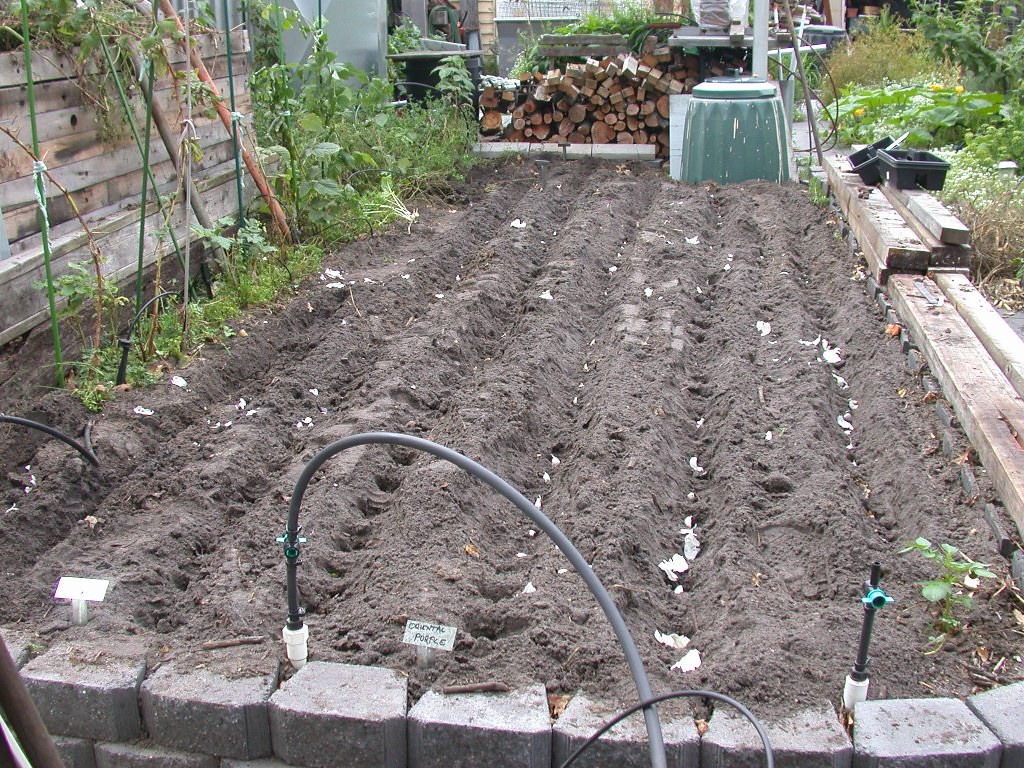
It is tempting to grab a bulb of garlic from your kitchen pantry, break it into cloves, and plant them in your garden. While it is technically possible to grow garlic this way, it is highly risky and often leads to disappointing harvests. Let’s look at why supermarket garlic is a gamble and why certified…
-
What to Plant in Spring: A Monthly Checklist
Spring is a busy time in the garden with multiple sowing windows. Following a monthly checklist helps you keep track of what to plant and when, ensuring your warm-season and cool-season crops are planted at the ideal time for maximum yields. Planning your tasks month-by-month keeps you organized. Soil Chemistry, Minerals, and Cation Exchange Capacity…
-
Zone-by-Zone Planting Guide for Organic Vegetables
Your plant hardiness zone is a key guide for timing your garden tasks. Let's look at how to use your hardiness zone to plan your sowing and transplanting schedule, helping you avoid early or late frost damage and optimize crop success. Understanding zone limits saves time and prevents crop failures. Soil Chemistry, Minerals, and Cation…
-
How to Get Rid of Fungus Gnats in Seed Trays for Good
If you notice tiny black flies buzzing around your indoor seed trays every time you water, you have fungus gnats. While the adult flies are just annoying, their larvae live in the soil and chew on the delicate roots of your seedlings, stunting their growth and spreading root diseases. Let’s look at how to eliminate…
-
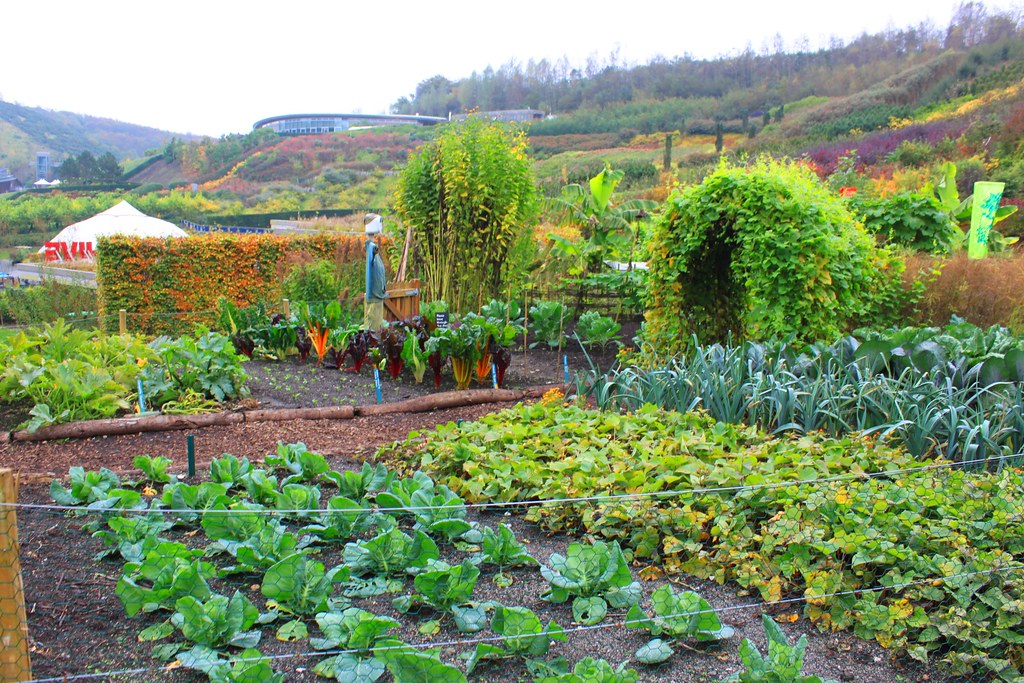
Extending Your Growing Season with Cold Frames & Row Covers
You don't have to stop harvesting when winter arrives. Cold frames, row covers, and low tunnels help protect crops from cold weather, extending your harvest. Let's explore how to build and use these simple protection structures to keep fresh greens growing even during the coldest months of the year. By managing air temperatures and protecting…
-
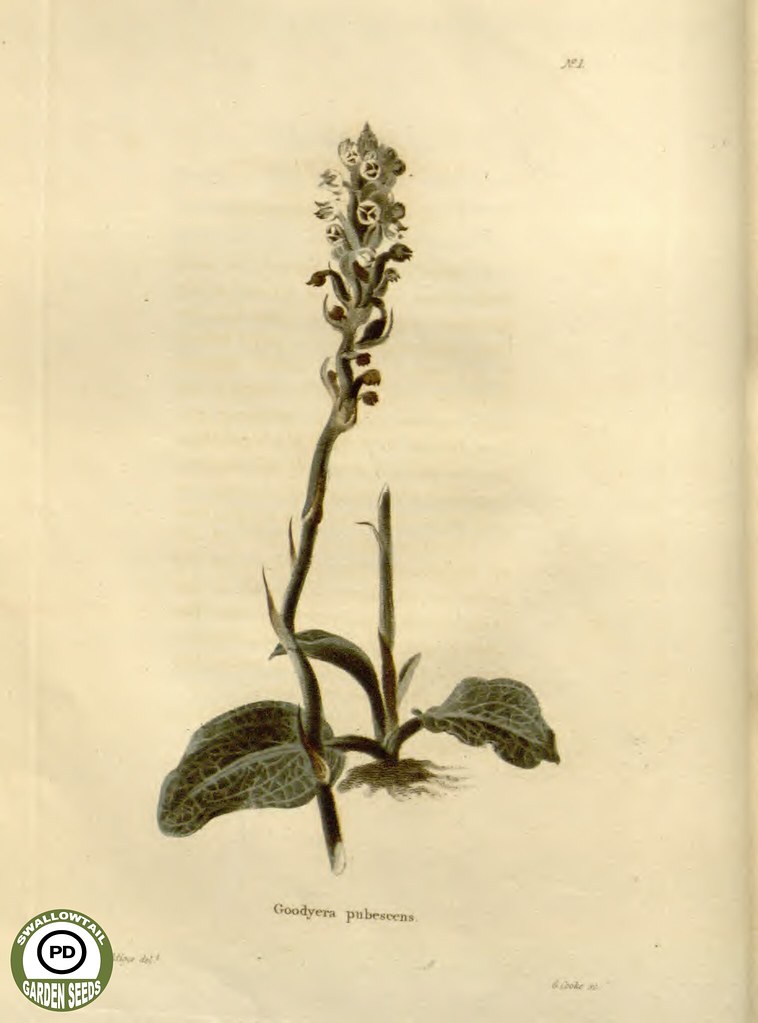
Winter Garden Planning: Seed Orders & Crop Rotation
Winter is the time to plan your upcoming garden layout. Designing your crop rotations and choosing your seeds now helps ensure a productive spring. Focus on mapping your beds, grouping crops by botanical family, and ordering organic, heirloom seeds early to guarantee you get the best varieties before they sell out. The Chemistry of Organic…
-
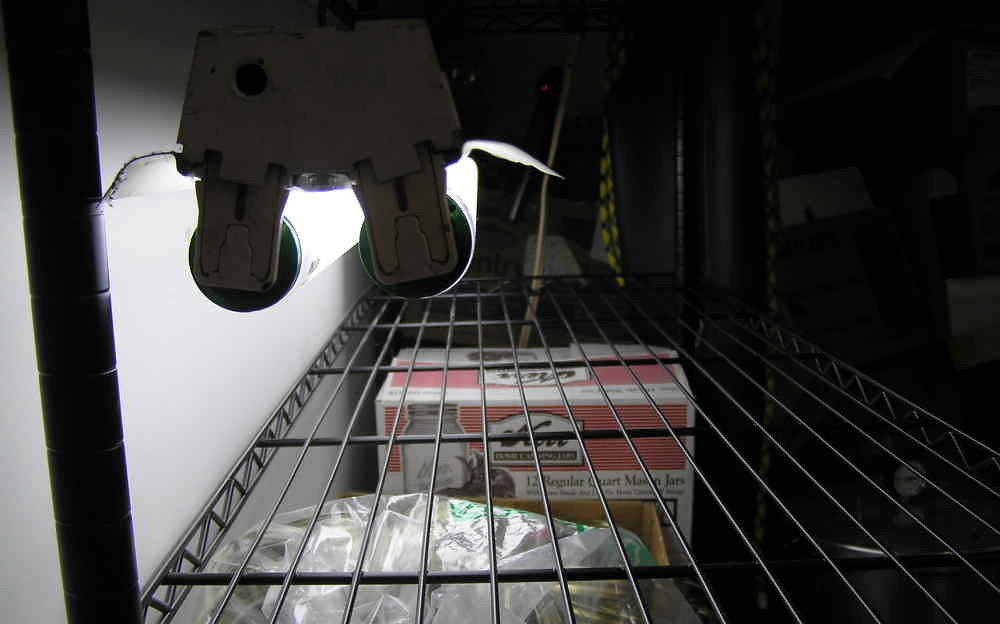
How to Fix Leggy Seedlings Growing Indoors (No Special Lights Needed)
If your indoor seedlings look tall, thin, and floppy with only a few tiny leaves at the top, they are ‘leggy.’ Leggy seedlings have weak stems that easily bend and snap when transplanted outdoors. Fortunately, you don’t need expensive grow light setups to save them. Let’s look at what causes legginess and how to fix…
-
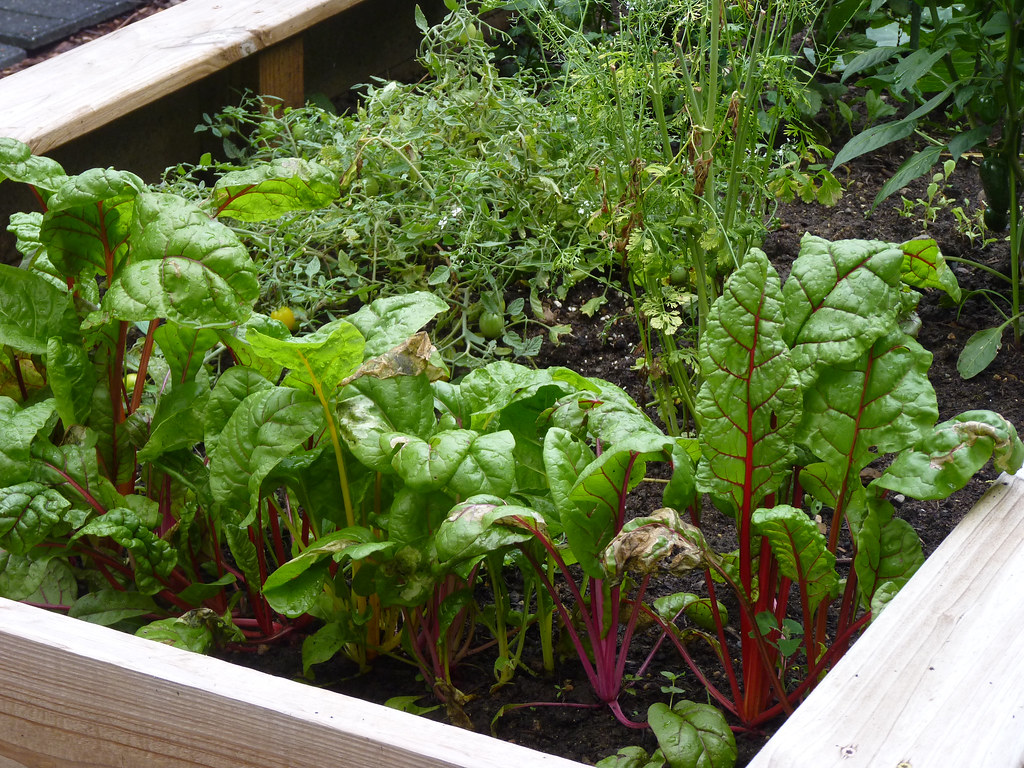
Autumn Garden Cleanup & Preservation Guide
Cleaning up your garden in autumn helps prevent pests and diseases from overwintering. Preparing your beds now protects the soil and sets you up for success next spring. Focus on clearing spent crops, planting winter cover crops, and mulching your beds to insulate the active soil microbiology. Understanding Soil Chemistry and Mineral Availability When planning…
-
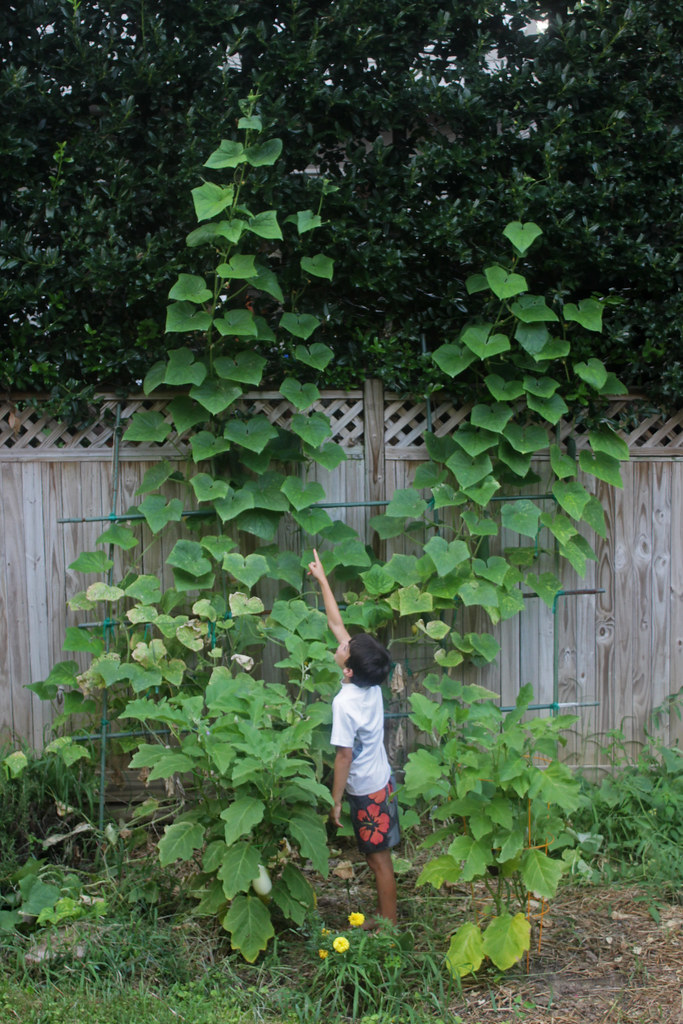
Why are My Cucumbers Bitter? (3 Easy Ways to Prevent It)
There is nothing worse than slicing into a fresh, homegrown cucumber only to take a bite and find it incredibly bitter. Bitter cucumbers are a common disappointment, but they are entirely preventable. Let’s look at the science of why cucumbers turn bitter and how to ensure your harvest is sweet and crisp. Understanding the Core…
-

Summer Garden Maintenance: Watering, Weeding & Harvesting
Summer is a busy season of growth and harvesting, but hot weather also brings watering needs and weeds. Let's explore how to maintain your garden through the heat. Proper watering techniques and mulching are essential to keep your crops productive and healthy through the summer months, protecting the root zone from evaporation. The Chemistry of…