-
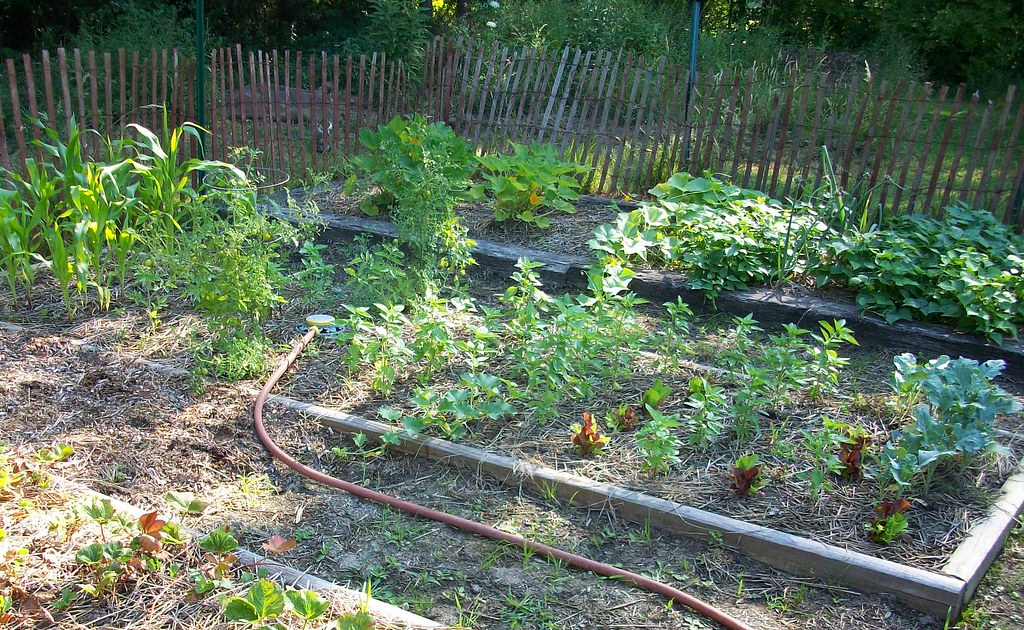
Spring Planting Calendar: What to Plant and When
Timing is everything when planting a spring garden. Knowing when to start seeds indoors and when to transplant outside helps prevent crop loss from frost. Let's look at the calendar. Planting cool-season crops early and warm-season crops after the frost window maximizes your growing space and supports healthy crop establishment. The Chemistry of Organic Soil:…
-

How to Keep Cilantro from Bolting in Hot Summer Weather
Cilantro is a staple herb, but it is notoriously quick to bolt. You plant it, harvest a few leaves, and suddenly it shoots up a thick stem, flowers, and turns bitter. This is bolting. Once cilantro starts to flower, the leaves lose their flavor. Let’s learn why cilantro bolts and how to extend your harvest…
-
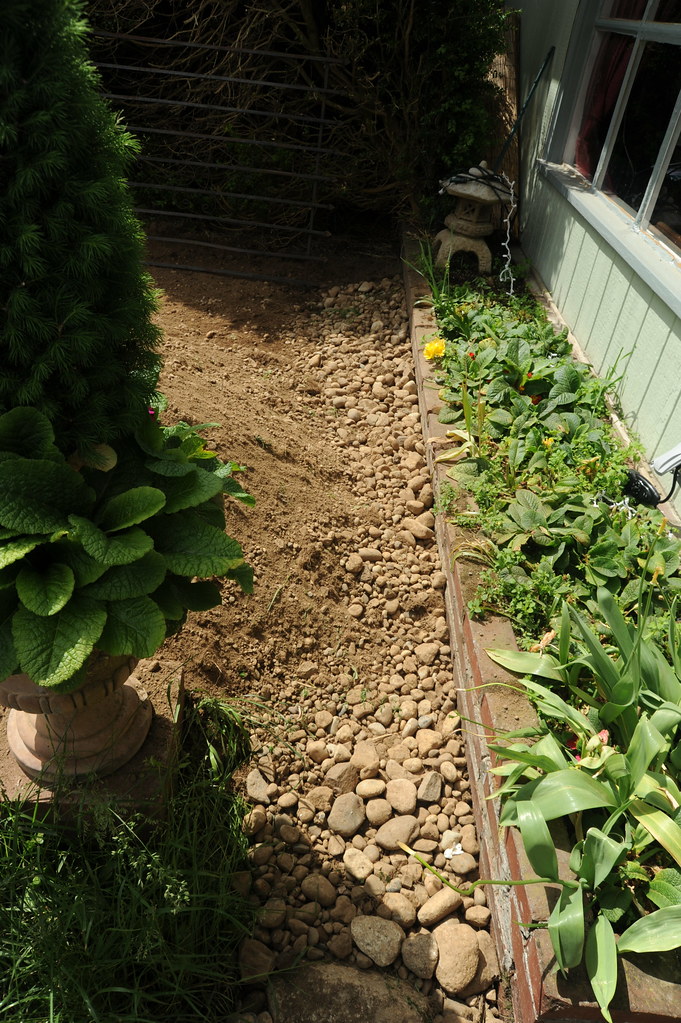
Late Winter Soil Prep: Get Your Garden Ready for Spring
Late winter is the ideal time to prepare your garden beds for spring planting. Adding compost and preparing the soil now gives your crops a head start once the weather warms. Focusing on soil health during the cold months sets a solid foundation for the entire year's yields, ensuring nutrients are integrated before roots establish.…
-
Organic vs. Conventional: What’s the Real Difference?
Organic and conventional gardening approaches view soil and plant health differently. Let's compare how each method manages fertility, pests, and long-term sustainability. Conventional systems rely on synthetic inputs to feed plants directly, while organic systems focus on nurturing soil life to support natural crop growth and maintain biological activity. This fundamental difference affects nutrient density,…
-
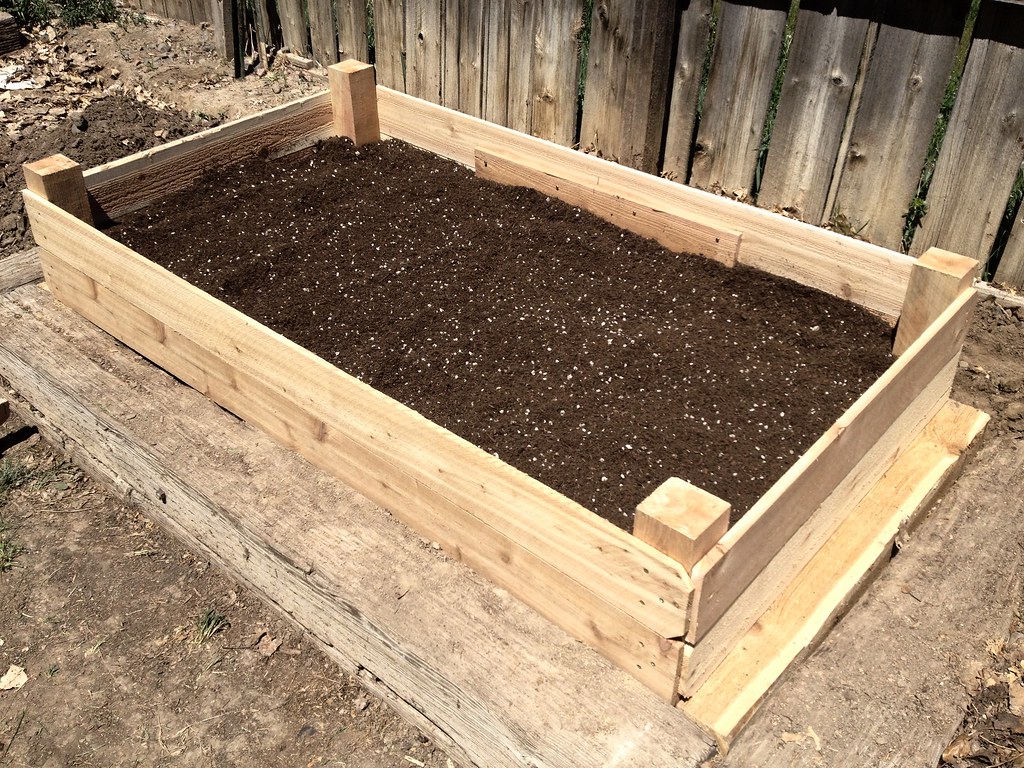
How to Fix Poor Drainage in Raised Garden Beds (Step-by-Step)
One of the main reasons we build raised beds is to get excellent drainage. But if you notice water pooling on the surface after a rain, or if your plants are stunted and yellow, you might have a drainage problem. Soggy roots rot and starve for oxygen. Let’s look at how to diagnose compacted soil…
-
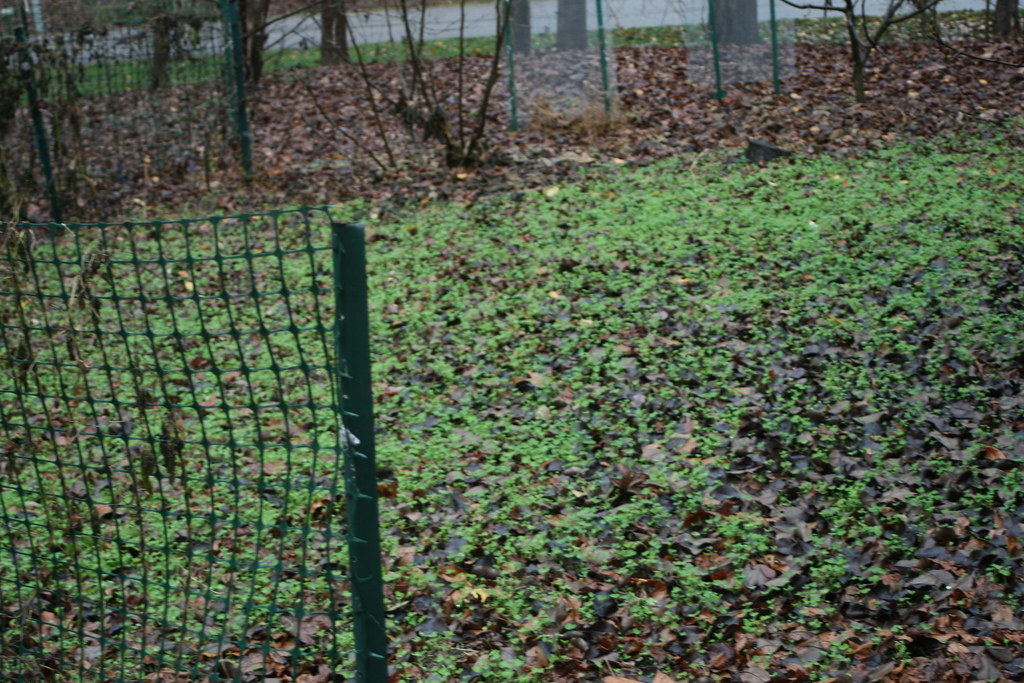
How to Start an Organic Garden from Scratch
Starting a new garden bed is an exciting project. Planning your layout, building beds, and choosing your first crops carefully sets you up for success. Here is how to get started. Focus on choosing a location with plenty of sunlight and access to water, and prepare your growing medium organically. Building a detailed plan during…
-
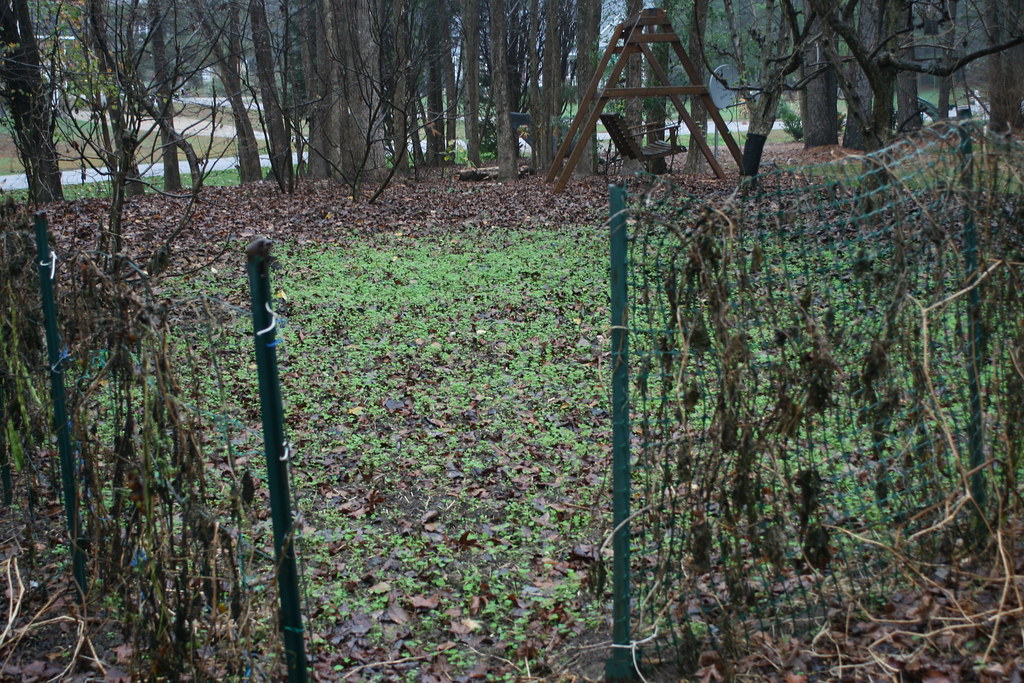
Companion Planting 101: The Science of Why It Works
Companion planting is a traditional practice supported by modern science. Planting compatible crops together can help manage pests, improve soil nutrients, and maximize space. Let's look at how these relationships work. By grouping crops that share resources or release mutually beneficial chemicals, you build a resilient, biodiverse ecosystem that thrives naturally with minimal chemical inputs.…
-

How to Stop Powdery Mildew on Zucchini Without Chemical Sprays
It starts as a few white, dusty spots on your zucchini leaves, and within a week, it looks like someone dumped flour all over your plants. Powdery mildew is a fungal disease that thrives in warm, humid conditions. It blocks sunlight, stunts your zucchini growth, and eventually kills the plant. Fortunately, you don’t need chemical…
-
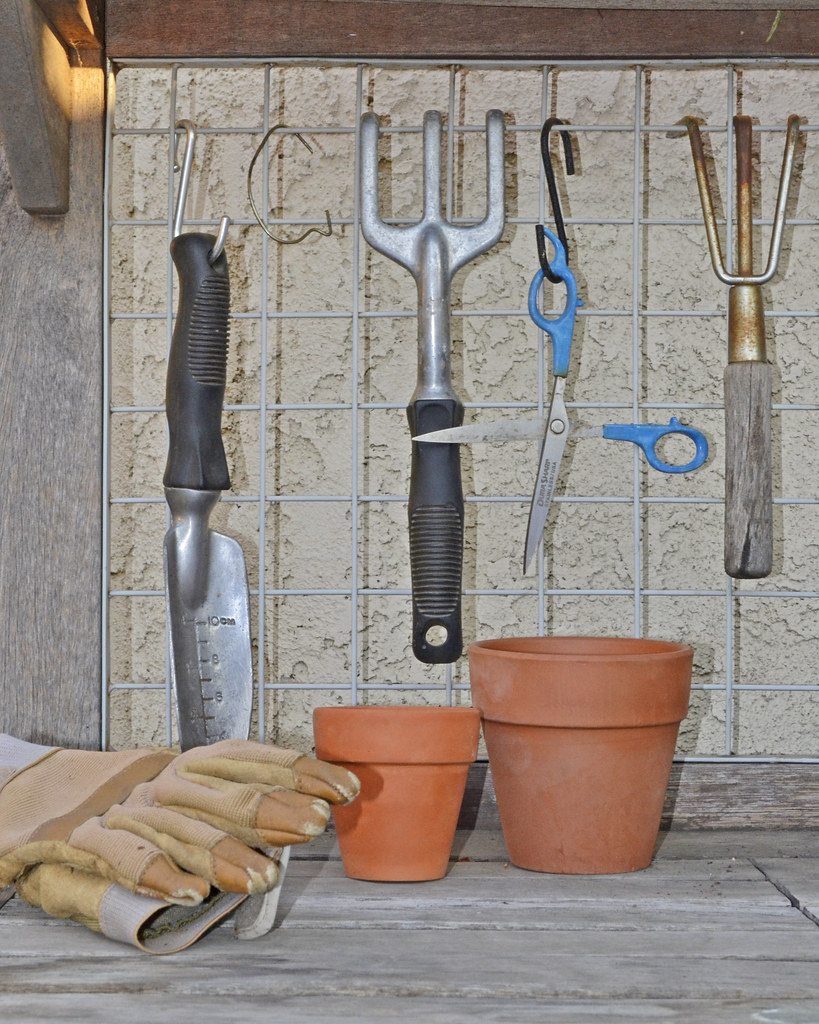
10 Essential Tools Every Organic Gardener Needs
Having the right tools makes gardening tasks much easier. Choosing durable, high-quality tools helps you manage your beds without damaging soil structure. Let's look at the essential equipment for organic growers. Using tools that minimize soil disturbance helps protect active microbiology and maintains the vertical structure of your soil layers. Investing in high-carbon steel options…
-
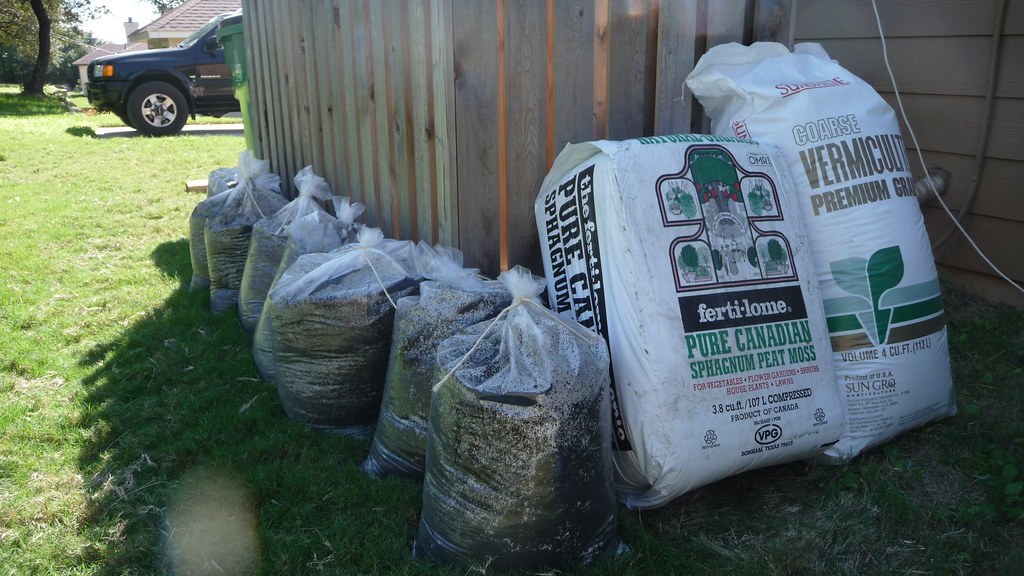
Understanding Soil Health: The Foundation of Organic Growing
Healthy soil is the engine of any successful organic garden. Understanding soil structure, microbiology, and pH helps you support plant growth naturally. Let's explore how to evaluate and improve your soil. A healthy soil matrix is filled with active biological life, including beneficial fungi, bacteria, and larger organisms that work together to release nutrients for…