It is tempting to grab a bulb of garlic from your kitchen pantry, break it into cloves, and plant them in your garden. While it is technically possible to grow garlic this way, it is highly risky and often leads to disappointing harvests. Let’s look at why supermarket garlic is a gamble and why certified seed garlic is the key to massive, healthy bulbs.
Understanding the Core Issue
Most grocery store garlic is treated with a chemical growth inhibitor (usually chlorpropham) to prevent it from sprouting on the shelves. This chemical stunts root development when planted. Additionally, store-bought garlic is often grown in warm climates (like California or China) and will struggle to survive cold winters, and it can carry soil viruses.
Step-by-Step Troubleshooting and Action Plan
- Select organic garlic: If you must use store-bought garlic, buy organic bulbs which are not treated with inhibitors.
- Plant in autumn: Plant garlic cloves in October or November, about 6 weeks before the ground freezes.
- Separate cloves carefully: Keep the paper skins intact on each individual clove.
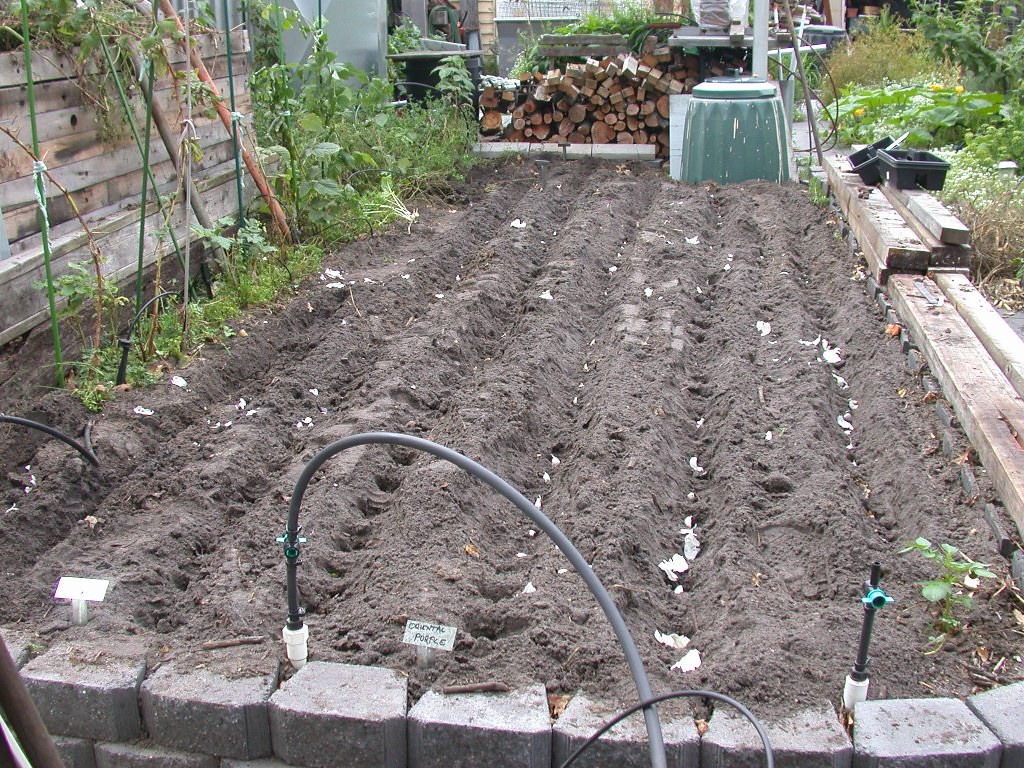
- Plant pointy-end up: Set cloves 2 inches deep and 6 inches apart in loose, well-draining soil.
- Mulch heavily: Apply 4 inches of straw mulch to protect the cloves from freeze-thaw cycles.
Common Gardening Mistakes to Avoid
- Planting non-organic supermarket garlic (which may sprout green shoots but fail to grow roots).
- Planting garlic in spring (garlic needs cold winter temperatures to trigger bulb division).
- Importing soil diseases (like white rot) into your clean garden beds from uncertified garlic bulbs.
Field Notes and Practical Garden Observations
When you’re dealing with garden troubleshooting, the first rule is always to look at the soil moisture. I can’t tell you how many times I’ve had growers tell me their plants are diseased, only for us to dig down and realize the root zone is bone dry or completely waterlogged. You want your soil to feel like a wrung-out sponge—damp, but not dripping wet. If you squeeze a handful of soil and water runs out, your roots are suffocating.
I always recommend keeping a simple garden journal. It doesn’t have to be anything fancy—just a notepad where you write down the date you planted, the weather, and when you first noticed any pests or leaf discoloration. Over a few seasons, you’ll start to notice patterns. You’ll know exactly when the flea beetles show up in your area, and you can cover your crops before the damage even starts.
Let’s talk about water temperature. Using freezing cold water from a deep well or public tap directly on warm leaves during the hottest part of the afternoon shocks the plant. The stomata close up, photosynthesis stalls, and growth slows down. Try to collect water in rain barrels so it can adjust to the outdoor temperature. Your plants will respond with much faster, happier growth.
When you transplant seedlings, try to do it on a cloudy, overcast day or late in the afternoon. Planting in full, direct midday sun causes intense transplant shock. The leaves lose water faster than the disturbed roots can absorb it, causing wilting that stunts the plant for days. Give them a night of cool darkness to adjust to their new home.
Let’s talk about compost safety. Never add dog or cat manure to your vegetable compost. Carnivore waste contains parasites and pathogens that can survive in soil and contaminate your food. Stick to herbivore manures like cow, horse, or chicken, and always ensure they have composted hot for months to destroy weed seeds and bad bacteria.
Finally, remember that gardening is a journey of observation. Your plants are constantly communicating with you. A slight yellowing, a leaf curl, a droop, or a white spot are all messages. Instead of immediately spraying a chemical or dumping fertilizer, take a minute to look at the soil, the roots, and the weather. The best garden tool is always your shadow.
Let’s talk about spacing and airflow. When seedlings are small, they look so neat and tidy, and it’s tempting to plant them closer together than the seed packet recommends. But as they grow, they create a dense canopy. Without good airflow, humidity gets trapped under the leaves, creating a perfect breeding ground for powdery mildew and leaf spots. Give your plants the room they need to breathe.
Another common issue is using the wrong fertilizer at the wrong time. When a plant is struggling, our instinct is to feed it. But if you dump a high-nitrogen fertilizer onto a tomato plant that is already suffering from water stress, you can burn the roots and make the problem much worse. Focus on healing the roots first with gentle organic kelp or compost tea before you try to force new green growth.
Let’s talk about watering frequency. A lot of people get into the habit of watering their garden every single day for five or ten minutes. This is a recipe for disaster. Shallow watering encourages shallow root systems. The roots stay right near the surface because that’s where the water is. Then, when a hot summer day hits, that surface soil dries out in hours, and the plant goes into shock. Instead, water deeply once or twice a week.
When dealing with root rot, the damage happens below ground long before you see it on the leaves. The roots turn mushy and dark brown, losing their tiny white hair-like tips that absorb food. If you catch it early, you can often save the plant by digging it up slightly to let the top of the root ball breathe, and treating the surrounding soil with beneficial trichoderma fungi.
Mulching is your best friend when it comes to regulating soil temperature and moisture. In my own garden, I use a thick layer of clean wheat straw or shredded leaves. Not only does this keep the soil damp, but it also creates a barrier that prevents soil-borne fungal spores from splashing up onto the lower leaves of your plants when it rains. That simple barrier can cut down on diseases like blight by more than half.
When selecting seeds, try to buy from regional seed companies. Seeds grown and harvested in your climate zone are already adapted to your local weather, soil, and pest pressures. They have a natural resilience that generic, mass-produced seeds from supermarket racks simply don’t have. It’s a small investment that pays off in yield and health.
Let’s discuss the quality of your compost. Not all compost is created equal. If you buy cheap bagged compost that smells like ammonia or wet wood, it’s not fully decomposed. Active decomposition can rob nitrogen from your plants and stunt their roots. Look for compost that is dark, crumbly, and smells like a fresh forest floor after a spring rain.
Remember that a few pests are completely normal in an organic garden. You don’t need a pristine, insect-free space. In fact, if you don’t have any aphids, you won’t have any ladybugs or lacewings. The goal is balance, not eradication. When you see a few pests, monitor them for a few days to see if the natural predators show up to take care of the problem for you.
Soil structure is just as important as soil nutrients. If you have heavy clay, the roots have to struggle to push through the compacted earth. Compaction also blocks water from draining, leading to root rot. Instead of tilling your soil every spring, which destroys the delicate soil aggregates and fungal networks, add a thick layer of compost to the surface and let the earthworms do the aeration work for you.
Frequently Asked Questions
Question: “What is certified seed garlic?”
Answer: Certified seed garlic is tested and guaranteed to be free of soil diseases, nematode pests, and viruses, and selected for large bulb production.
Question: “Why did my garlic grow as a single round bulb?”
Answer: This is called a round. It happens when the garlic doesn’t get enough cold winter exposure (vernalization) to trigger bulb division.
Question: “Can I eat garlic that sprouts in my pantry?”
Answer: Yes, sprouted garlic is perfectly safe to eat, though it may taste slightly more bitter.
This Week’s Preventative Garden Action
Order certified, organic seed garlic from a local seed grower for your autumn planting.
Diagnostic Troubleshooting Table
| Symptom / Activity | Key Cause | Diagnostic / Cure Timeline | Expected Result |
|---|---|---|---|
| Certified Seed Garlic | Vigorous roots, large bulbs | 100% success rate | Diseases prevented |
| Organic Store Garlic | Variable roots, medium bulbs | 60-80% success rate | Potential disease risk |
| Non-Organic Store Garlic | Stunted roots, tiny bulbs | 10-30% success rate | High failure rate |
| Spring Planting | No clove division (rounds) | Low yield | Fails vernalization |
Summary & Next Steps
To sum up, solving garden issues is all about paying attention to details and acting early. Do not wait for a pest or disease to take over your whole bed before you start correcting water or soil. If you watch your plants closely and follow these steps, you will keep your garden healthy and productive all season long. Good luck, and happy gardening!
Remember that a few pests are completely normal in an organic garden. You don’t need a pristine, insect-free space. In fact, if you don’t have any aphids, you won’t have any ladybugs or lacewings. The goal is balance, not eradication. When you see a few pests, monitor them for a few days to see if the natural predators show up to take care of the problem for you.
When dealing with root rot, the damage happens below ground long before you see it on the leaves. The roots turn mushy and dark brown, losing their tiny white hair-like tips that absorb food. If you catch it early, you can often save the plant by digging it up slightly to let the top of the root ball breathe, and treating the surrounding soil with beneficial trichoderma fungi.
Finally, remember that gardening is a journey of observation. Your plants are constantly communicating with you. A slight yellowing, a leaf curl, a droop, or a white spot are all messages. Instead of immediately spraying a chemical or dumping fertilizer, take a minute to look at the soil, the roots, and the weather. The best garden tool is always your shadow.
Let’s talk about spacing and airflow. When seedlings are small, they look so neat and tidy, and it’s tempting to plant them closer together than the seed packet recommends. But as they grow, they create a dense canopy. Without good airflow, humidity gets trapped under the leaves, creating a perfect breeding ground for powdery mildew and leaf spots. Give your plants the room they need to breathe.
Let’s discuss the quality of your compost. Not all compost is created equal. If you buy cheap bagged compost that smells like ammonia or wet wood, it’s not fully decomposed. Active decomposition can rob nitrogen from your plants and stunt their roots. Look for compost that is dark, crumbly, and smells like a fresh forest floor after a spring rain.
Another common issue is using the wrong fertilizer at the wrong time. When a plant is struggling, our instinct is to feed it. But if you dump a high-nitrogen fertilizer onto a tomato plant that is already suffering from water stress, you can burn the roots and make the problem much worse. Focus on healing the roots first with gentle organic kelp or compost tea before you try to force new green growth.
I always recommend keeping a simple garden journal. It doesn’t have to be anything fancy—just a notepad where you write down the date you planted, the weather, and when you first noticed any pests or leaf discoloration. Over a few seasons, you’ll start to notice patterns. You’ll know exactly when the flea beetles show up in your area, and you can cover your crops before the damage even starts.
When you transplant seedlings, try to do it on a cloudy, overcast day or late in the afternoon. Planting in full, direct midday sun causes intense transplant shock. The leaves lose water faster than the disturbed roots can absorb it, causing wilting that stunts the plant for days. Give them a night of cool darkness to adjust to their new home.
Soil structure is just as important as soil nutrients. If you have heavy clay, the roots have to struggle to push through the compacted earth. Compaction also blocks water from draining, leading to root rot. Instead of tilling your soil every spring, which destroys the delicate soil aggregates and fungal networks, add a thick layer of compost to the surface and let the earthworms do the aeration work for you.
Let’s talk about compost safety. Never add dog or cat manure to your vegetable compost. Carnivore waste contains parasites and pathogens that can survive in soil and contaminate your food. Stick to herbivore manures like cow, horse, or chicken, and always ensure they have composted hot for months to destroy weed seeds and bad bacteria.
Mulching is your best friend when it comes to regulating soil temperature and moisture. In my own garden, I use a thick layer of clean wheat straw or shredded leaves. Not only does this keep the soil damp, but it also creates a barrier that prevents soil-borne fungal spores from splashing up onto the lower leaves of your plants when it rains. That simple barrier can cut down on diseases like blight by more than half.
Let’s talk about watering frequency. A lot of people get into the habit of watering their garden every single day for five or ten minutes. This is a recipe for disaster. Shallow watering encourages shallow root systems. The roots stay right near the surface because that’s where the water is. Then, when a hot summer day hits, that surface soil dries out in hours, and the plant goes into shock. Instead, water deeply once or twice a week.
When you’re dealing with garden troubleshooting, the first rule is always to look at the soil moisture. I can’t tell you how many times I’ve had growers tell me their plants are diseased, only for us to dig down and realize the root zone is bone dry or completely waterlogged. You want your soil to feel like a wrung-out sponge—damp, but not dripping wet. If you squeeze a handful of soil and water runs out, your roots are suffocating.
Let’s talk about water temperature. Using freezing cold water from a deep well or public tap directly on warm leaves during the hottest part of the afternoon shocks the plant. The stomata close up, photosynthesis stalls, and growth slows down. Try to collect water in rain barrels so it can adjust to the outdoor temperature. Your plants will respond with much faster, happier growth.
When selecting seeds, try to buy from regional seed companies. Seeds grown and harvested in your climate zone are already adapted to your local weather, soil, and pest pressures. They have a natural resilience that generic, mass-produced seeds from supermarket racks simply don’t have. It’s a small investment that pays off in yield and health.
Additional Garden Troubleshooting Notes
Another thing to consider is the sun exposure. We often buy sun-loving crops like tomatoes or peppers and plant them in areas that get shaded by fences or trees for half the day. When a plant doesn’t get at least six hours of direct sunlight, its metabolism slows down. It won’t produce the sugars it needs to grow fruit, and it becomes much more susceptible to fungal diseases like powdery mildew.
If you’re dealing with heavy clay soil, do not add sand. Many beginners make the mistake of mixing sand into clay to loosen it, but this creates a mixture that dries into concrete-like blocks. Instead, add organic matter like compost, leaf mold, or aged manure. Organic matter binds with clay particles, creating crumbly soil aggregates that drain well and let roots push through easily.