-

Do Beer Traps Actually Get Rid of Slugs? (A Practical Guide)
Slugs can destroy a bed of young lettuce or hostas overnight, leaving large, ragged holes and slimy trails. One of the most popular organic pest control tips is to set out shallow dishes of beer. But do beer traps actually solve your slug problem, or do they just draw more slugs into your yard? Let’s…
-
How to Clean and Sanitize Pruning Shears to Stop Fire Blight
As organic gardeners and small-scale farmers, the challenges we face are daily, physical, and deeply tied to the health of our local ecosystems. Whether it is a sudden outbreak of leafminers tunneling through your prized chard crops, or the physical exhaustion of trying to aerate heavy clay soil using outdated mechanical rototillers that destroy soil…
-
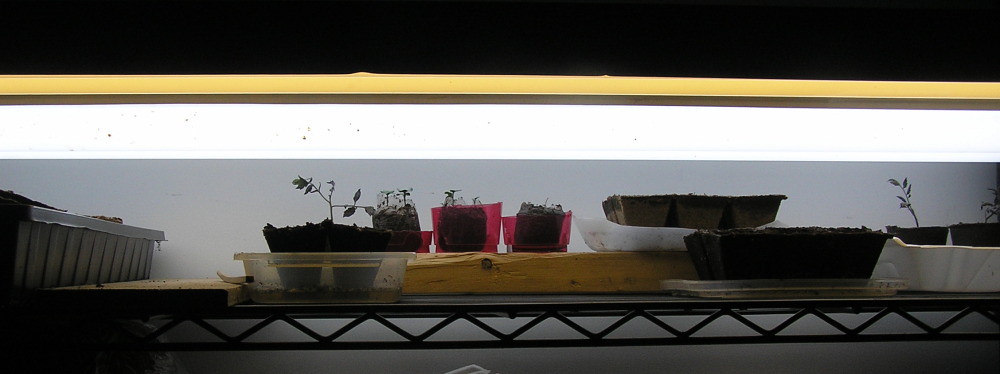
Seed Saving 101: How to Collect and Store Heirloom Seeds
Saving seeds from your organic garden helps preserve heirloom varieties and breeds crops adapted to your local climate. Let's look at how to harvest, clean, and store seeds to maintain high germination rates and preserve agricultural history. Saving seeds connects you to generations of growers. Understanding Soil Chemistry and Mineral Availability When planning a successful…
-

Choosing the Right Soil Moisture Meter: Analog vs. Digital Sensors
As organic gardeners and small-scale farmers, the challenges we face are daily, physical, and deeply tied to the health of our local ecosystems. Whether it is a sudden outbreak of leafminers tunneling through your prized chard crops, or the physical exhaustion of trying to aerate heavy clay soil using outdated mechanical rototillers that destroy soil…
-
How to Test Your Garden Soil Texture at Home (DIY Mason Jar Test)
Your soil texture—the ratio of sand, silt, and clay—determines how well your soil drains, how much water it holds, and how easy it is for roots to grow. You don’t need a professional laboratory to find your soil type. With a clean mason jar, some water, and a drop of dish soap, you can test…
-
How to Apply Diatomaceous Earth Without Harming Beneficial Bees
As organic gardeners and small-scale farmers, the challenges we face are daily, physical, and deeply tied to the health of our local ecosystems. Whether it is a sudden outbreak of leafminers tunneling through your prized chard crops, or the physical exhaustion of trying to aerate heavy clay soil using outdated mechanical rototillers that destroy soil…
-
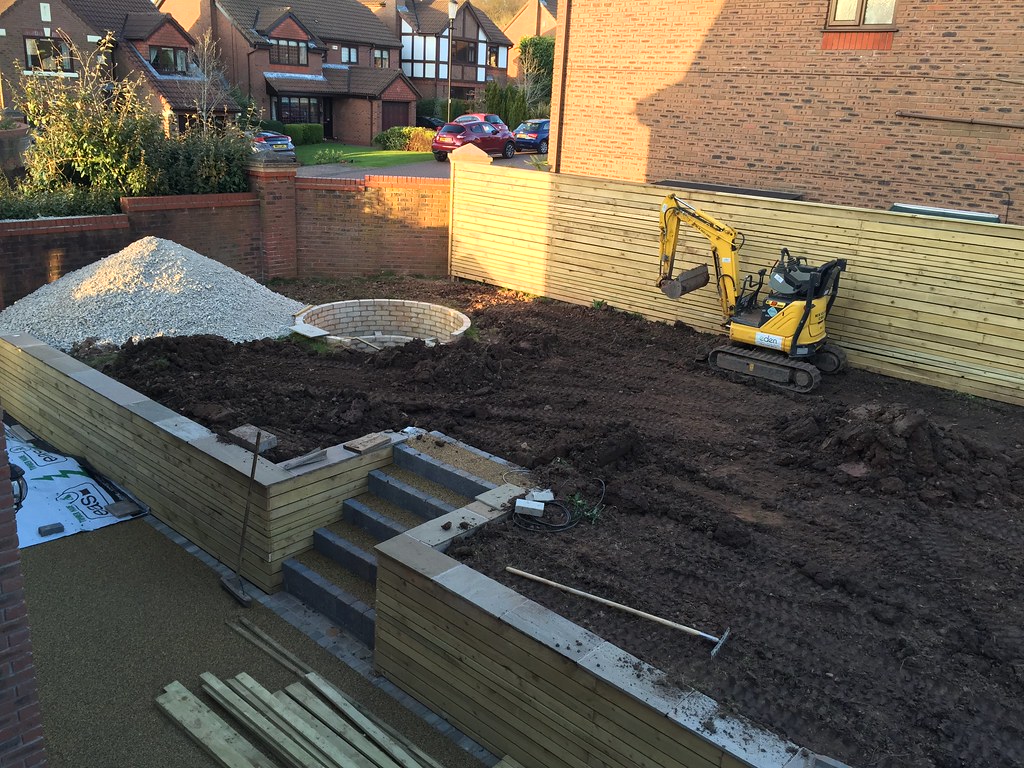
Regenerative Gardening: Building Soil Carbon in Your Backyard
Regenerative gardening focuses on building soil health, organic matter, and biodiversity. These practices improve your garden and support the environment by storing carbon. We will cover no-dig methods, cover cropping, and sheet mulching, explaining how they build soil biology and water retention. The Chemistry of Organic Soil: Minerals and CEC To establish a highly productive…
-
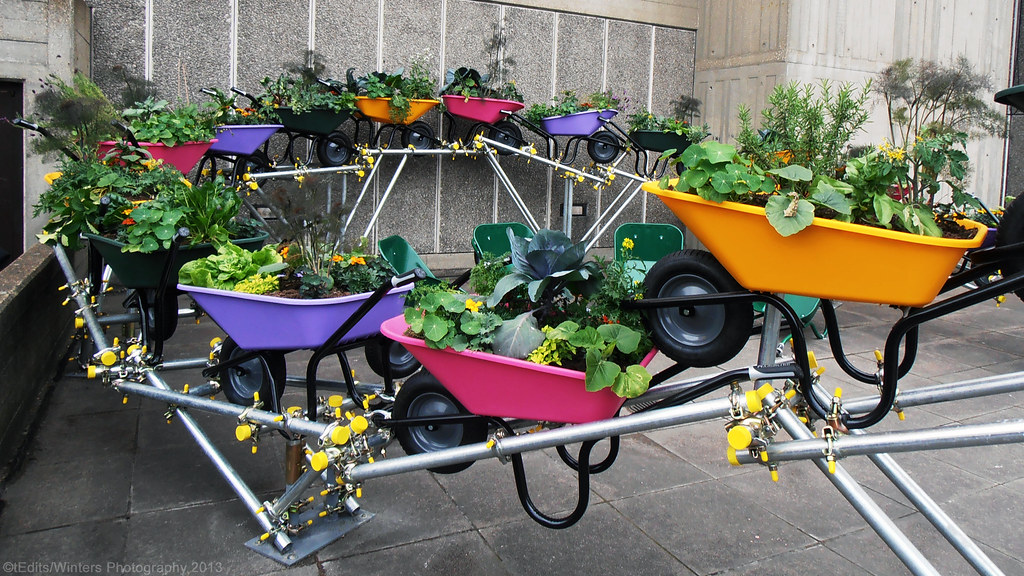
The Best Wheelbarrow for Heavy Compost: Dual-Wheel vs. Single-Wheel
As organic gardeners and small-scale farmers, the challenges we face are daily, physical, and deeply tied to the health of our local ecosystems. Whether it is a sudden outbreak of leafminers tunneling through your prized chard crops, or the physical exhaustion of trying to aerate heavy clay soil using outdated mechanical rototillers that destroy soil…
-
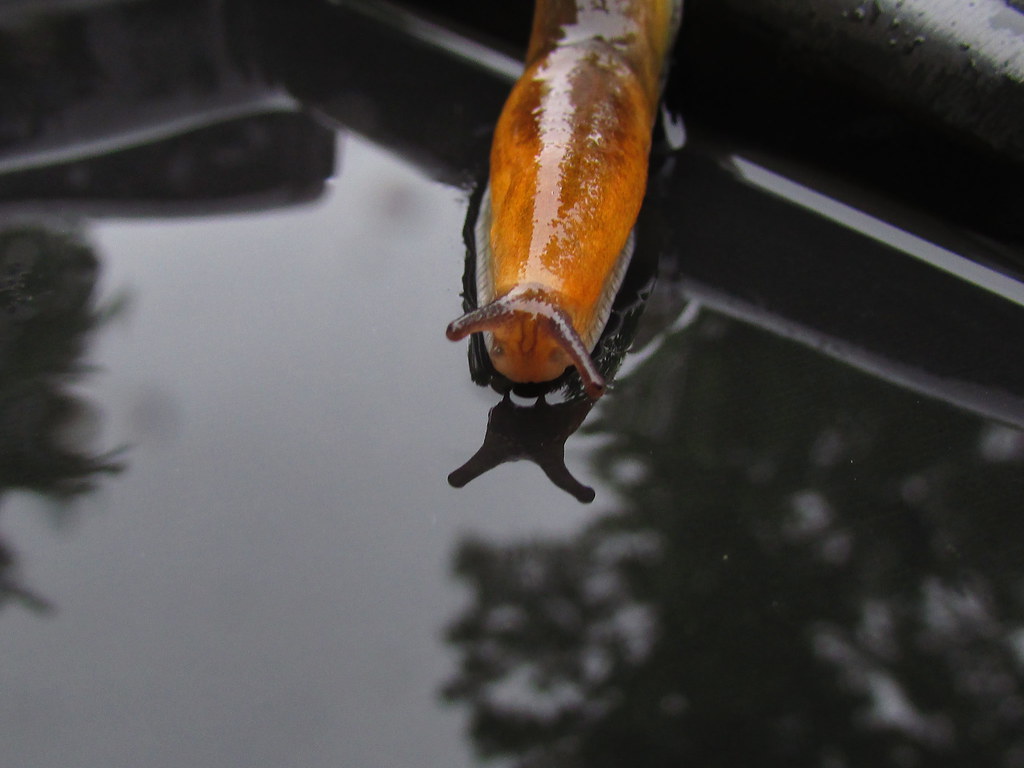
How to Install Copper Tape to Keep Slugs Off Raised Bed Vegetables
As organic gardeners and small-scale farmers, the challenges we face are daily, physical, and deeply tied to the health of our local ecosystems. Whether it is a sudden outbreak of leafminers tunneling through your prized chard crops, or the physical exhaustion of trying to aerate heavy clay soil using outdated mechanical rototillers that destroy soil…
-
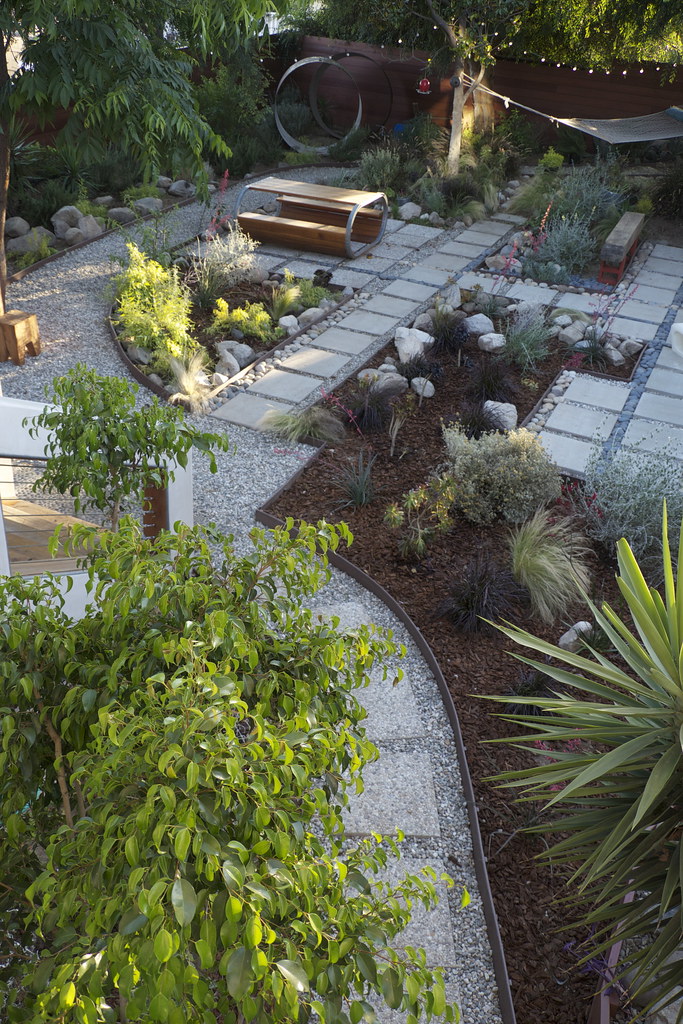
How Often Should I Water My Raised Garden Beds in Summer?
Raised garden beds are fantastic, but they dry out much faster than in-ground beds. In the heat of summer, watering can make or break your garden. If you water too little, your plants wilt and stop producing. If you water too much, you drown the roots and wash away nutrients. Let’s look at how to…