-
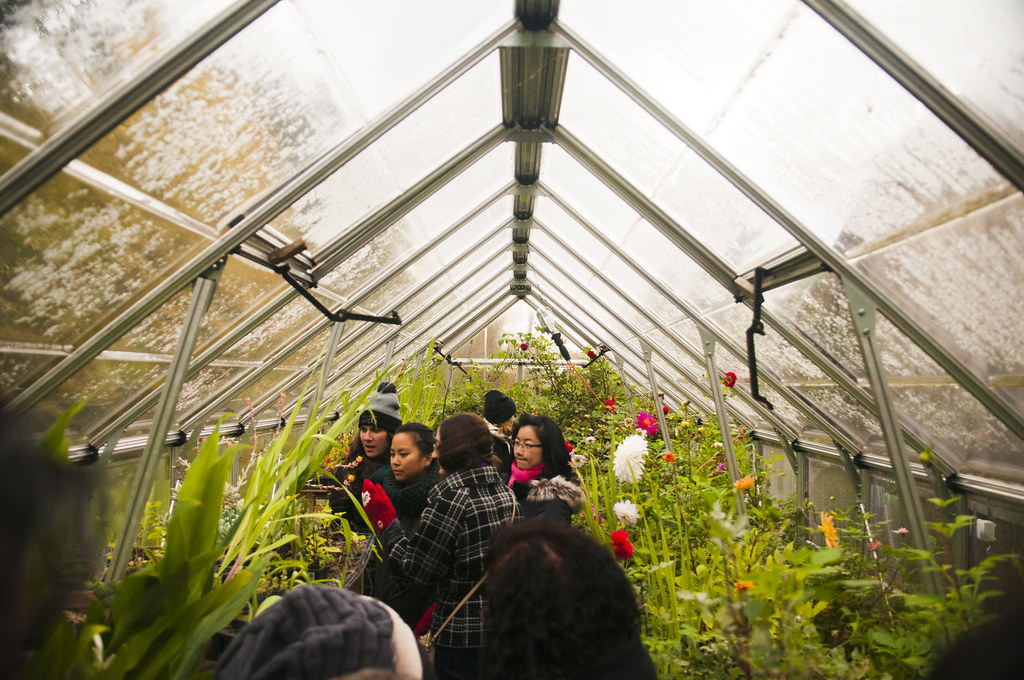
How to Use Nematodes to Eliminate Fungus Gnats in Greenhouse Trays
As organic gardeners and small-scale farmers, the challenges we face are daily, physical, and deeply tied to the health of our local ecosystems. Whether it is a sudden outbreak of leafminers tunneling through your prized chard crops, or the physical exhaustion of trying to aerate heavy clay soil using outdated mechanical rototillers that destroy soil…
-
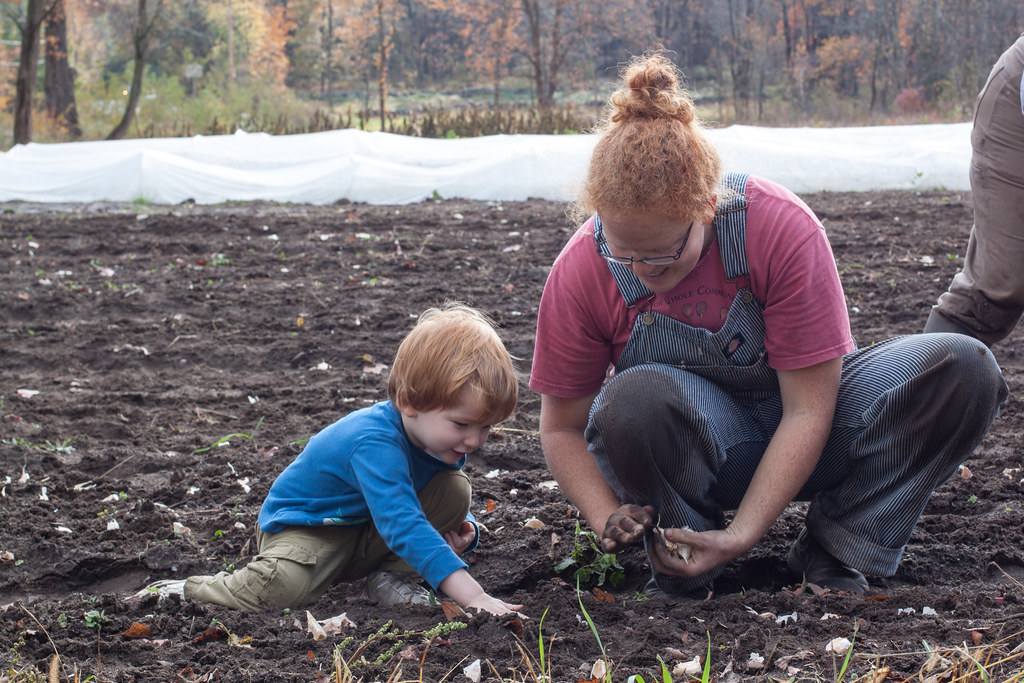
How to Prevent and Treat Garlic Rust Disease Organically
If you want to keep your vegetable garden thriving and productive, understanding how to manage and treat garlic rust disease organically is key. Many growers encounter this specific problem during the season and make simple mistakes that stall their harvest. Today, we’ll break down the practical steps to handle this organically. The Botanical Principles Garlic…
-
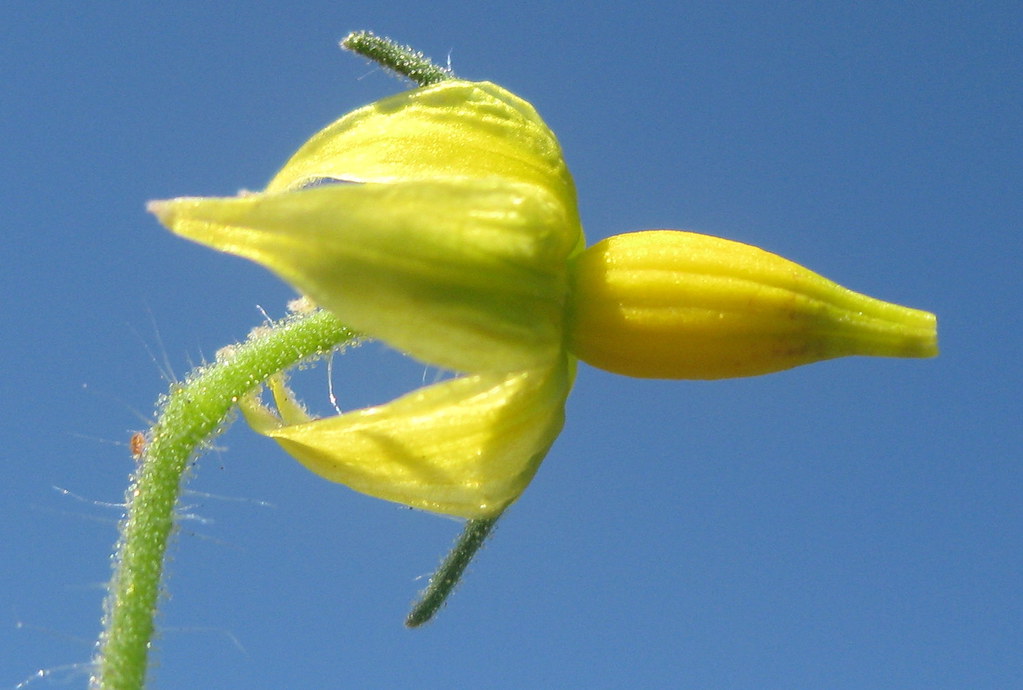
Why are My Tomato Blossoms Falling Off? (Heat-Stress Fixes)
Your tomato plants look huge, lush, and full of flowers, but instead of forming fruit, the yellow blossoms shrivel, turn brown, and drop off. This is blossom drop, and it is a major headache during hot summer heatwaves. If your tomato flowers are falling off, it is a physiological response to temperature stress. Let’s look…
-
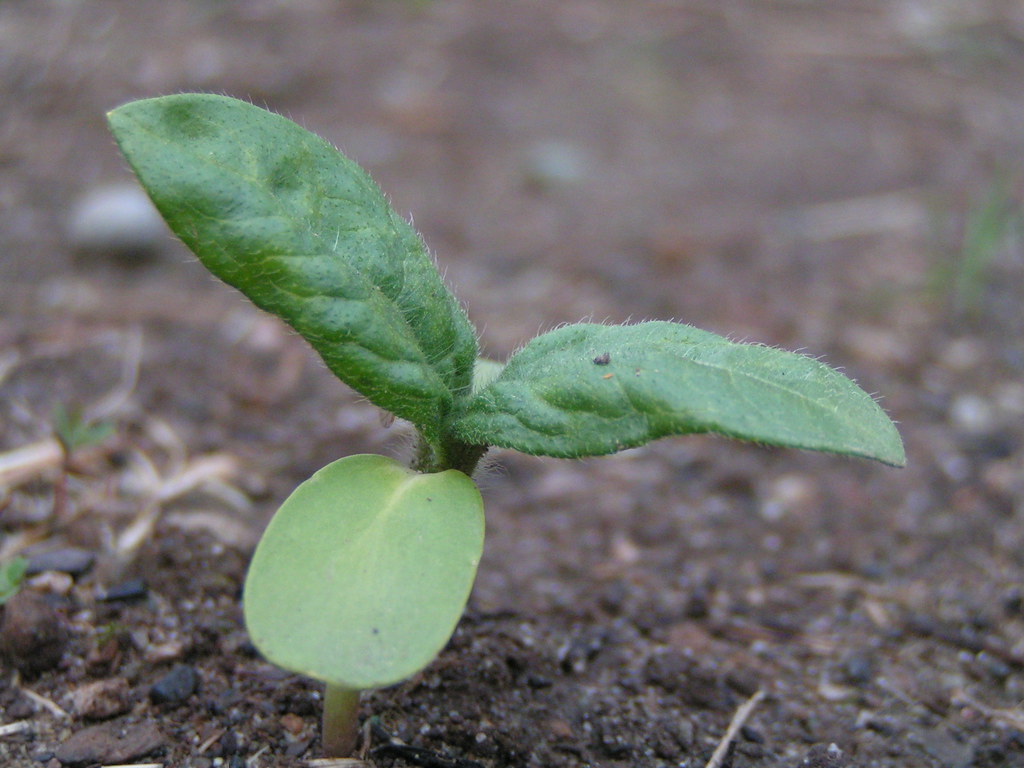
Why are My Spinach Leaves Turning Yellow? (Common Causes & Fixes)
Spinach is a cool-season green that should have dark, vibrant green leaves. If you notice your spinach leaves turning pale yellow, it is a sign that the plant is stressed. Yellow spinach is tough, bitter, and lacks nutrition. Let’s look at the most common reasons spinach leaves turn yellow and how to restore your crop…
-
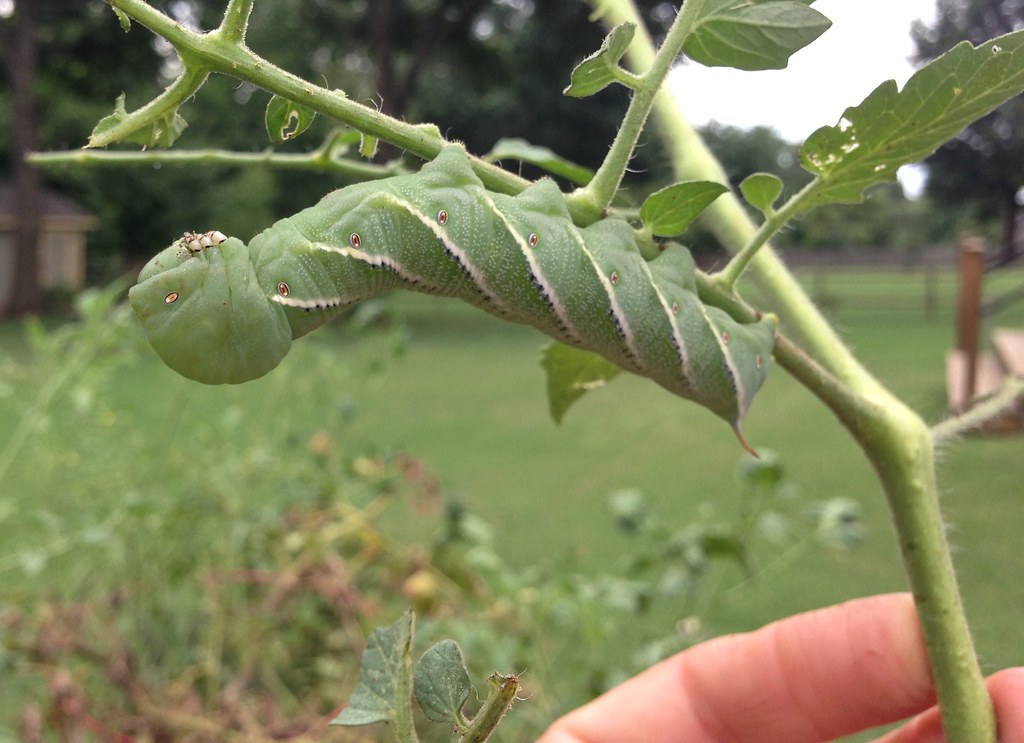
How to Stop Cabbage Worms Using Lightweight Insect Netting
If you want to keep your vegetable garden thriving and productive, understanding how to manage cabbage worms using lightweight insect netting is key. Many growers encounter this specific problem during the season and make simple mistakes that stall their harvest. Today, we’ll break down the practical steps to handle this organically. For related diagnostic steps,…
-
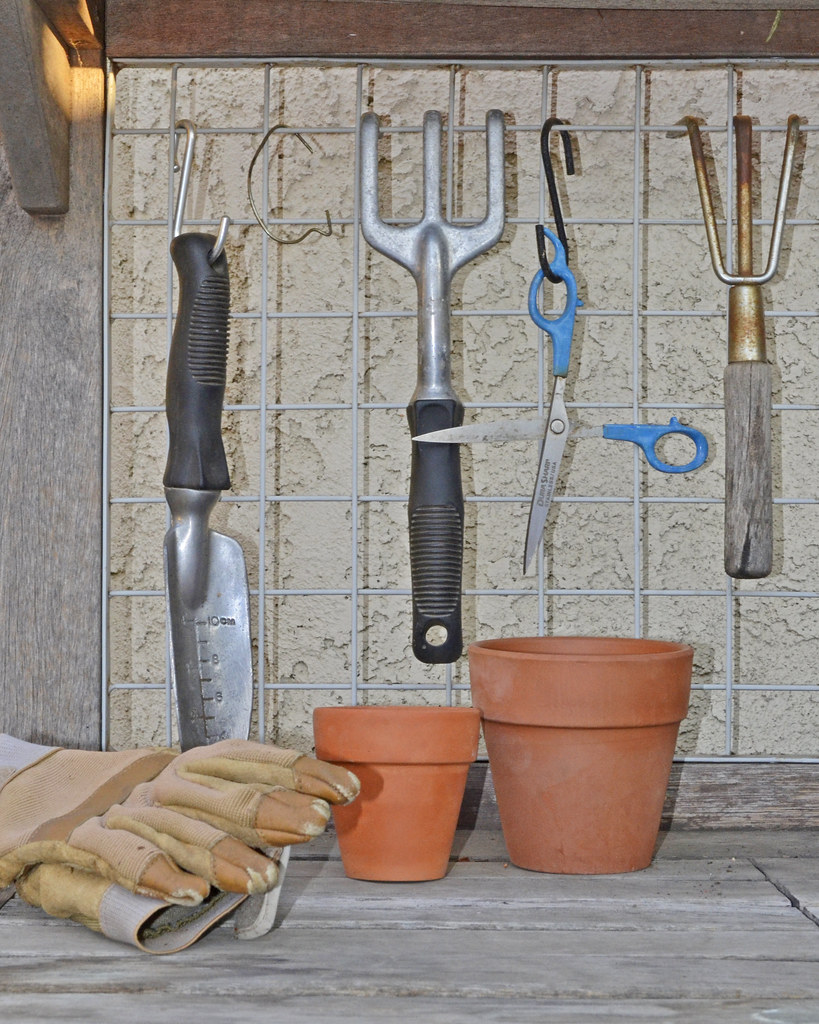
How to Sharpen and Maintain Hori Hori Knives for Tough Roots
As organic gardeners and small-scale farmers, the challenges we face are daily, physical, and deeply tied to the health of our local ecosystems. Whether it is a sudden outbreak of leafminers tunneling through your prized chard crops, or the physical exhaustion of trying to aerate heavy clay soil using outdated mechanical rototillers that destroy soil…
-
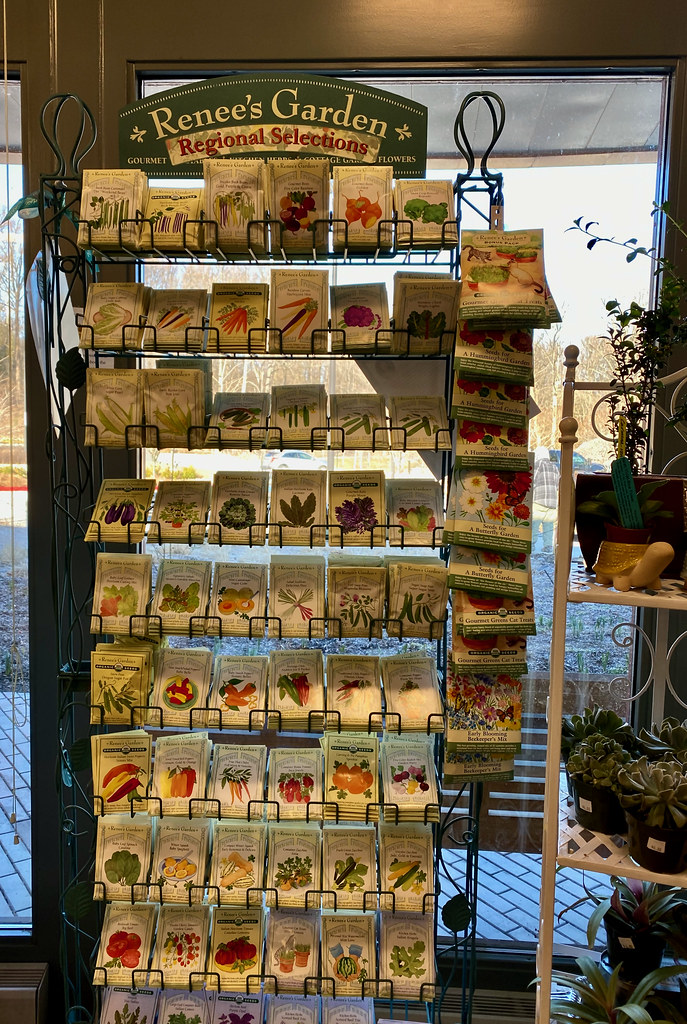
How to Stop Cutworms from Cutting Down Your Young Seedlings
You transplant a row of healthy tomato or pepper seedlings in the evening, and the next morning you find them lying flat on the ground, cut off cleanly at the soil surface. This is the work of the cutworm, the fat, grey-brown caterpillar larva of a nocturnal moth. Cutworms hide in the soil during the…
-
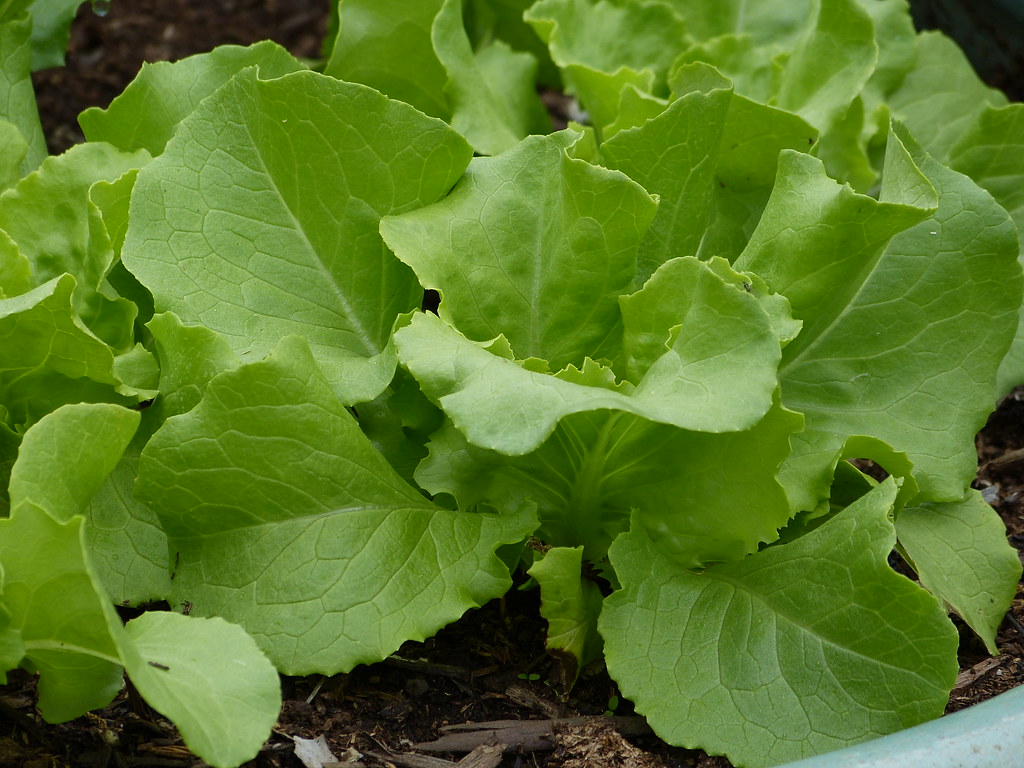
How to Grow Crisp Lettuce in the Middle of Summer Heat
If you want to keep your vegetable garden thriving and productive, understanding how to manage crisp lettuce in the middle of summer heat is key. Many growers encounter this specific problem during the season and make simple mistakes that stall their harvest. Today, we’ll break down the practical steps to handle this organically. Critical Factors…
-
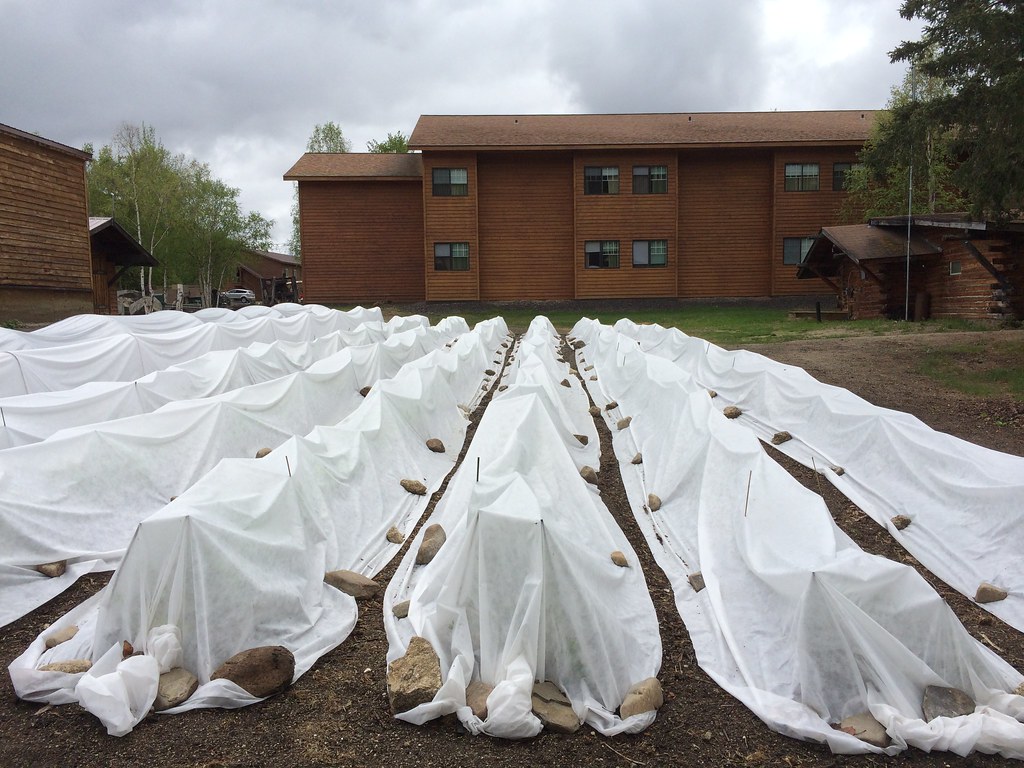
Using Row Covers to Prevent Leafminers on Spinach and Chard
As organic gardeners and small-scale farmers, the challenges we face are daily, physical, and deeply tied to the health of our local ecosystems. Whether it is a sudden outbreak of leafminers tunneling through your prized chard crops, or the physical exhaustion of trying to aerate heavy clay soil using outdated mechanical rototillers that destroy soil…
-
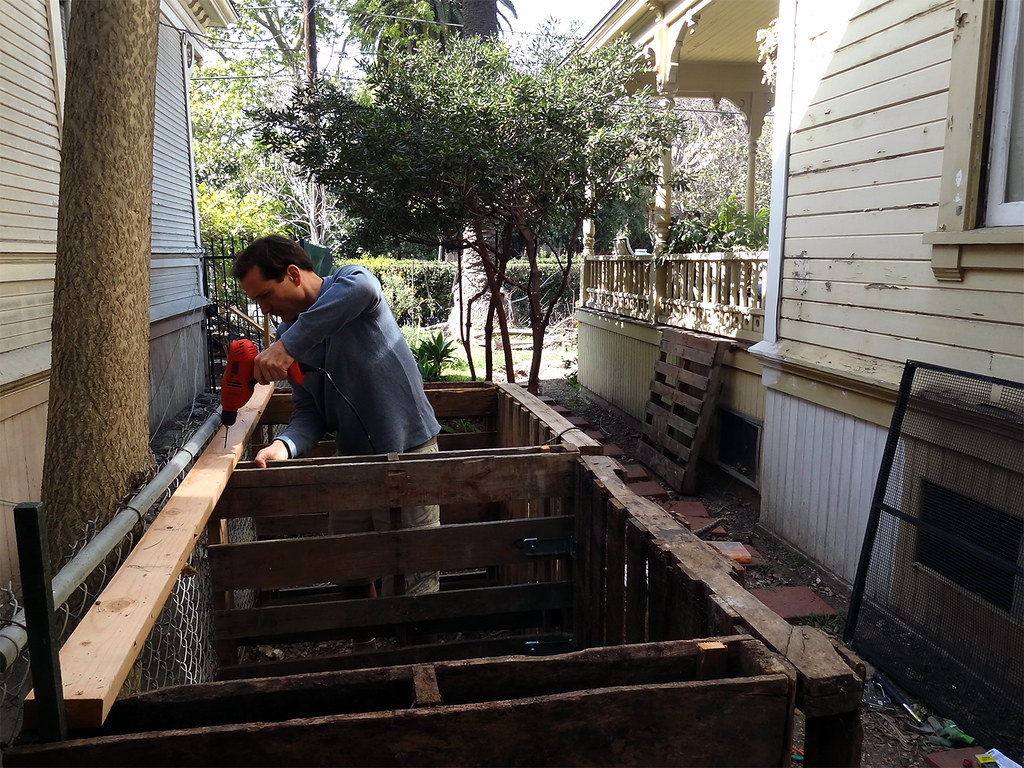
How to Compost Chicken Manure Safely for Your Vegetable Garden
Chicken manure is a powerhouse fertilizer, packed with high levels of nitrogen, phosphorus, and potassium. But if you spread raw, fresh chicken manure directly onto your vegetable garden beds, you will quickly burn the roots of your plants and risk contaminating your family’s food with pathogens like Salmonella. Composting chicken manure properly is the only…