Category: Pest Management
-
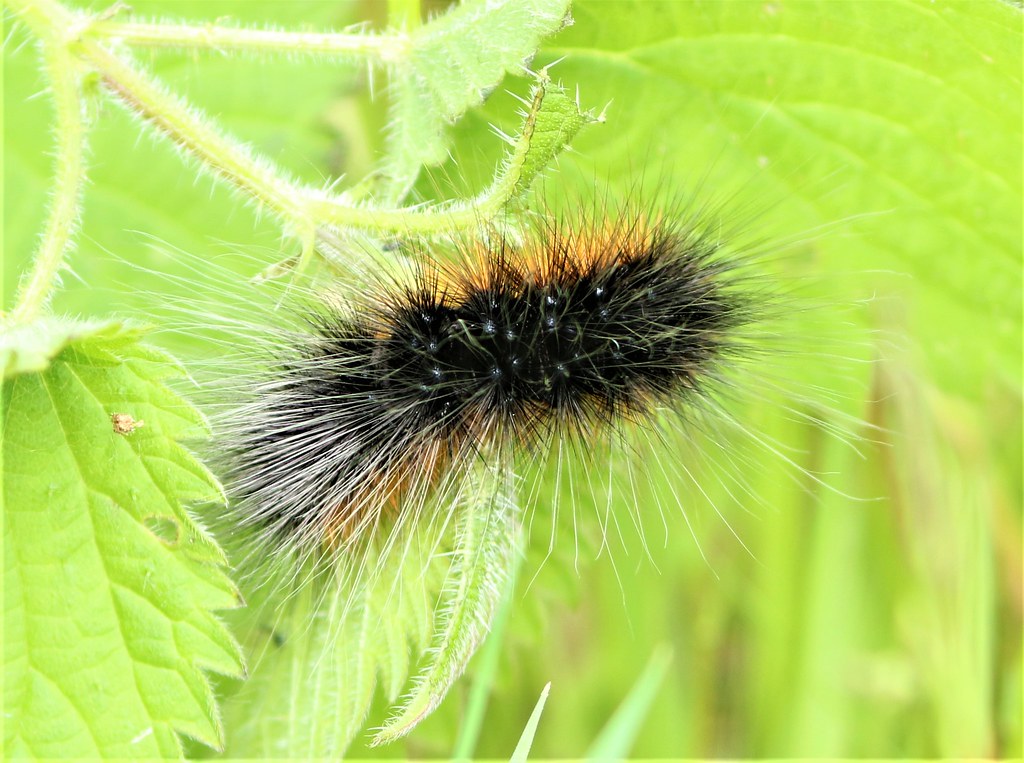
Using Bacillus thuringiensis (Bt) for Organic Caterpillar Control
As organic gardeners and small-scale farmers, the challenges we face are daily, physical, and deeply tied to the health of our local ecosystems. Whether it is a sudden outbreak of leafminers tunneling through your prized chard crops, or the physical exhaustion of trying to aerate heavy clay soil using outdated mechanical rototillers that destroy soil…
-
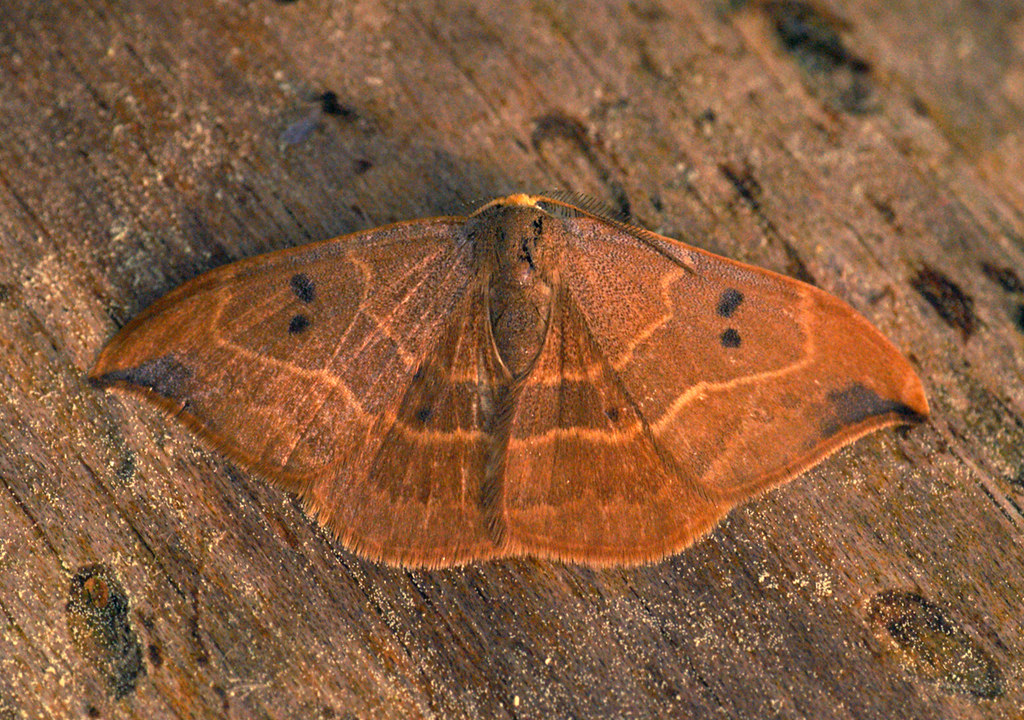
How to Use Pheromone Traps to Monitor and Trap Codling Moths
As organic gardeners and small-scale farmers, the challenges we face are daily, physical, and deeply tied to the health of our local ecosystems. Whether it is a sudden outbreak of leafminers tunneling through your prized chard crops, or the physical exhaustion of trying to aerate heavy clay soil using outdated mechanical rototillers that destroy soil…
-

Using Solarization to Sterilize Garden Beds and Kill Weed Seeds
As organic gardeners and small-scale farmers, the challenges we face are daily, physical, and deeply tied to the health of our local ecosystems. Whether it is a sudden outbreak of leafminers tunneling through your prized chard crops, or the physical exhaustion of trying to aerate heavy clay soil using outdated mechanical rototillers that destroy soil…
-
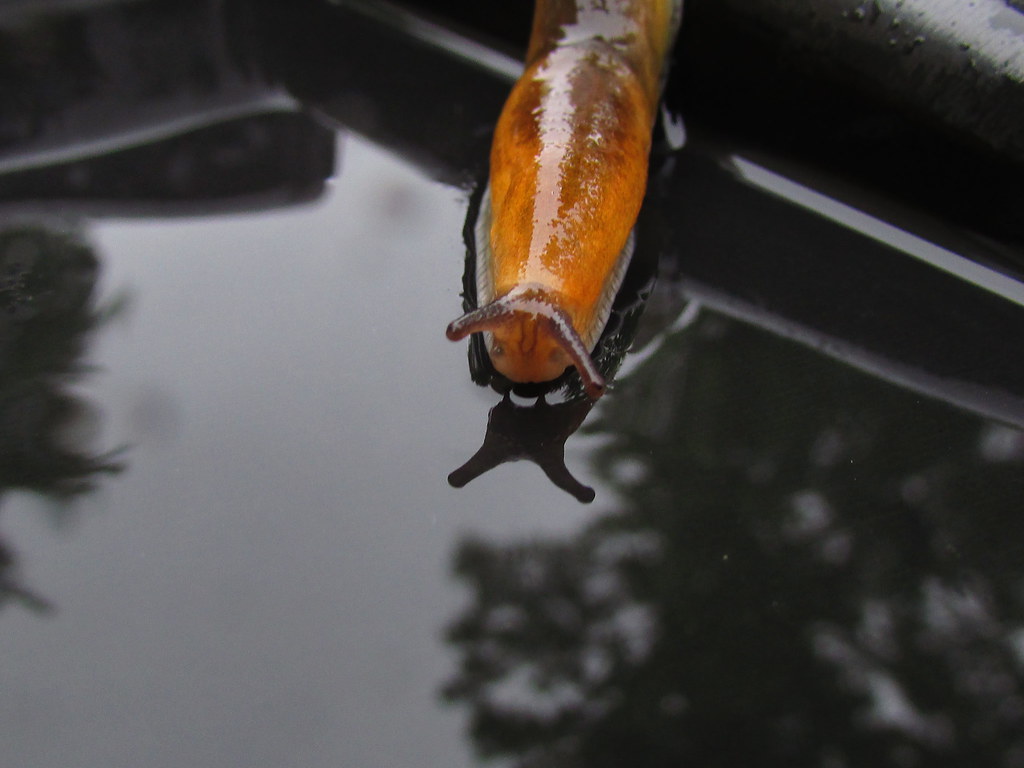
Stop Slugs and Snails Naturally: 7 Effective Techniques
Slugs and snails can quickly damage young seedlings overnight. Managing them organically requires a mix of physical barriers, traps, and garden maintenance, protecting your young transplants without chemical inputs. Let's explore how to protect your garden beds naturally and keep slugs away. By creating a multi-layered defensive strategy around your vulnerable plantings, you can prevent…
-
How to Get Rid of Squash Bugs Naturally (Without Killing Bees)
Squash bugs are a nightmare for summer squash, pumpkins, and melons. They gather in clusters, suck the sap out of leaves, and inject a toxin that causes the leaves to wilt and die. Because they have tough outer shells, chemical sprays are rarely effective, and organic sprays can easily harm beneficial pollinators. Let’s learn how…
-
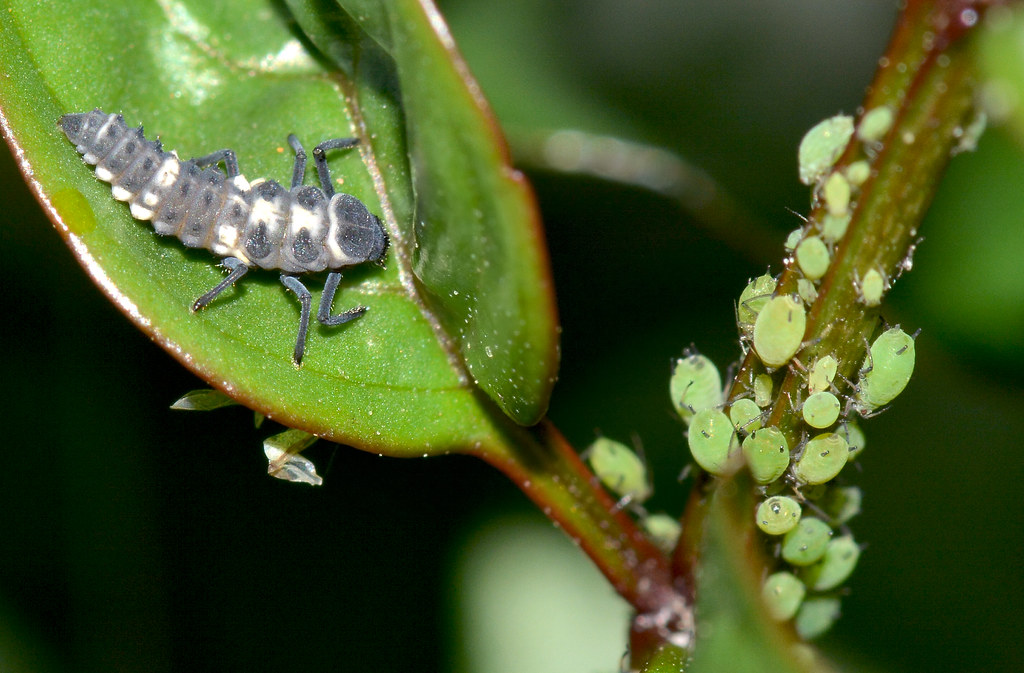
How to Get Rid of Aphids Organically: 3 Proven Methods
Aphids multiply quickly and can weaken your vegetable crops. Let's explore three natural ways to manage aphids without using synthetic chemical sprays. We will cover water sprays, organic insecticidal soaps, and attracting beneficial predators to build a balanced backyard environment. Soil Chemistry, Minerals, and Cation Exchange Capacity To establish a highly productive organic vegetable garden…
-
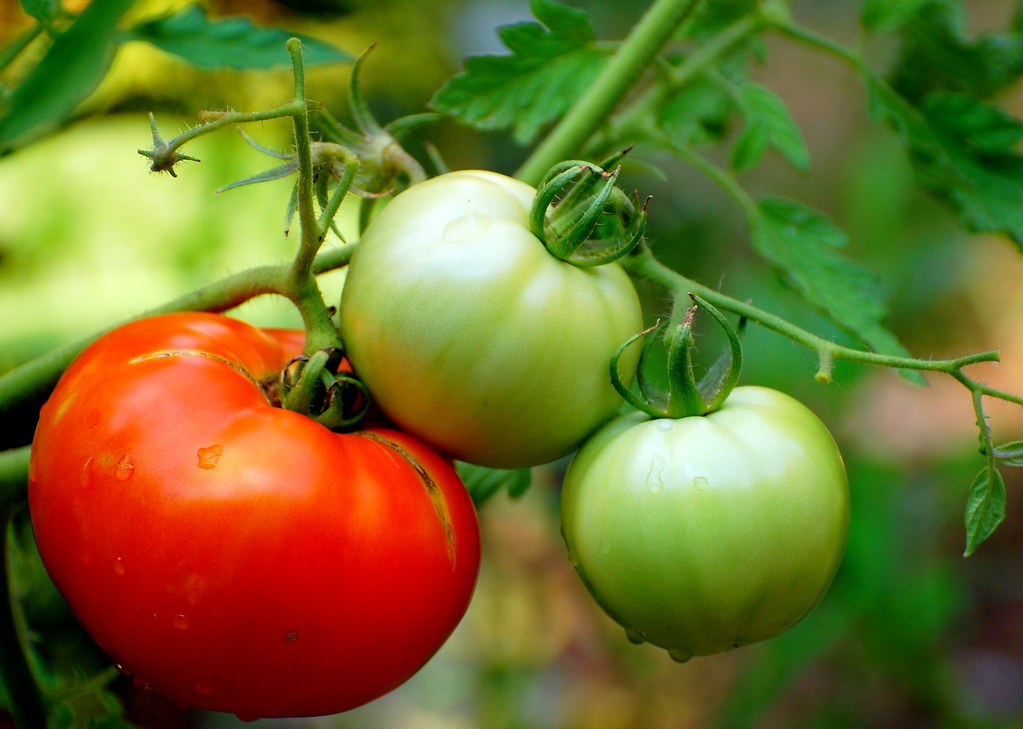
5-Step Protocol for Eliminating Tomato Blight Without Fungicides
Tomato blight is a common challenge that thrives in warm, wet weather. Implementing a preventive management protocol helps protect your plants without using chemical fungicides. Let's explore how pruning, mulching, and proper airflow keep blight away, supporting a healthy harvest of heirloom tomatoes. Soil Chemistry, Minerals, and Cation Exchange Capacity When planning a successful backyard…
-
How to Get Rid of Fungus Gnats in Seed Trays for Good
If you notice tiny black flies buzzing around your indoor seed trays every time you water, you have fungus gnats. While the adult flies are just annoying, their larvae live in the soil and chew on the delicate roots of your seedlings, stunting their growth and spreading root diseases. Let’s look at how to eliminate…
-
Companion Planting 101: The Science of Why It Works
Companion planting is a traditional practice supported by modern science. Planting compatible crops together can help manage pests, improve soil nutrients, and maximize space. Let's look at how these relationships work. By grouping crops that share resources or release mutually beneficial chemicals, you build a resilient, biodiverse ecosystem that thrives naturally with minimal chemical inputs.…
-
How to Stop Powdery Mildew on Zucchini Without Chemical Sprays
It starts as a few white, dusty spots on your zucchini leaves, and within a week, it looks like someone dumped flour all over your plants. Powdery mildew is a fungal disease that thrives in warm, humid conditions. It blocks sunlight, stunts your zucchini growth, and eventually kills the plant. Fortunately, you don’t need chemical…