If you want to keep your vegetable garden thriving and productive, understanding how to manage aphids from brussels sprouts (without sprays) is key. Many growers encounter this specific problem during the season and make simple mistakes that stall their harvest. Today, we’ll break down the practical steps to handle this organically.
Critical Factors
Aphids love the tight crevices of Brussels sprouts. Using sweet alyssum as a companion plant attracts hoverflies whose larvae feed heavily on aphids. This is a fundamental botanical principle. When you understand the relationship between plant health, moisture levels, and soil biology, managing the garden becomes much more predictable. The latest Royal Horticultural Society gardening protocols highlights the importance of organic mulching and deep watering. For related diagnostic steps, you can read our guide on troubleshooting vegetable leaf discoloration.
Implementation Guidelines
Common Questions Answered
Question: “How often should I apply this method?”
Answer: Apply this method during the active growing season. Monitor the foliage and soil daily, and check for any signs of water stress or leaf spotting.
Let’s discuss the quality of compost. If you buy cheap bagged compost that smells like ammonia or wet wood, it is not fully decomposed. Active decomposition will rob nitrogen from your plants and stunt their roots. Look for compost that is dark, crumbly, and smells like a fresh forest floor after a spring rain.
When buying seeds, try to support regional seed companies. Seeds grown and harvested in your climate zone are already adapted to your local weather, soil, and pest pressures. They possess a natural resilience that mass-produced seeds from big-box store racks simply do not have. It is a small investment that pays off in yield.
Check your water source. If you water with municipal tap water that contains heavy chlorine or chloramine, you are adding a sterilizing agent to your soil. While it won’t kill plants directly, it suppresses the beneficial soil fungi and bacteria that feed your plants. If possible, collect rainwater in barrels or let your tap water sit for 24 hours to let the chlorine gas off.
Let’s talk about watering frequency. A lot of gardeners get into the habit of watering their beds every single day for five minutes. This is a big mistake. Shallow watering encourages shallow root systems. The roots stay near the surface because that is where the moisture is. When a hot day hits, that top layer dries out instantly, putting the plant in shock. Instead, water deeply once or twice a week to draw roots deep.
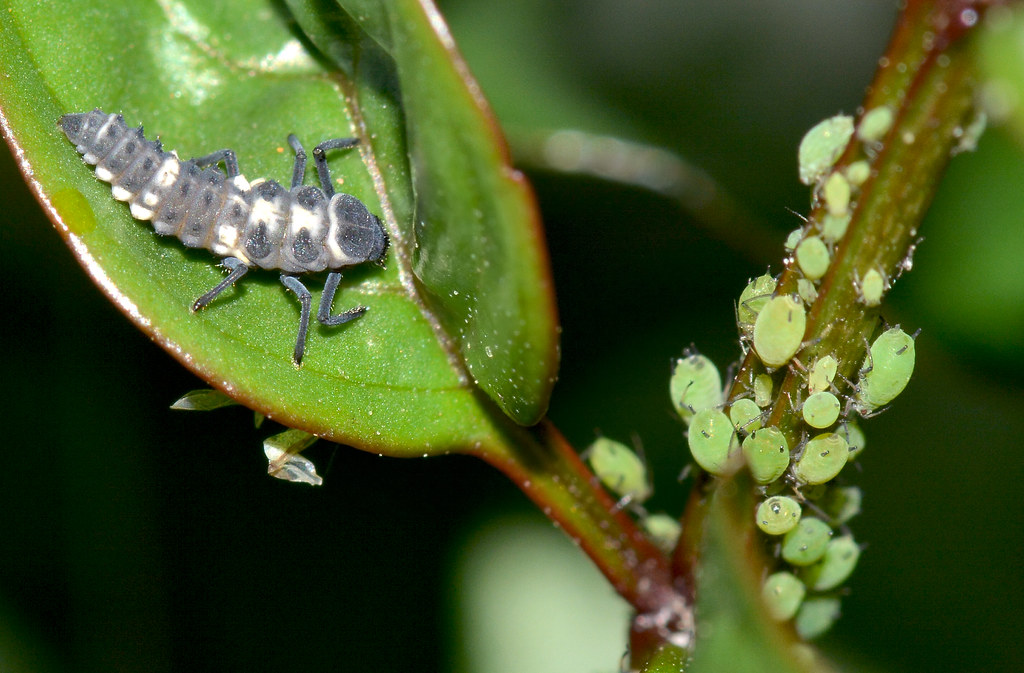
Remember that having a few pests is completely normal. You do not need a pristine, insect-free garden. In fact, if you don’t have any aphids, you won’t have any ladybugs or lacewings. The goal is ecological balance, not total eradication. When you see pests, monitor them for a few days to see if predatory insects show up to do the control work for you.
When saving seeds, harvest them from your healthiest, most productive plants. If you save seeds from a plant that struggled with disease all season, you are selecting for weak genetics. By saving seeds from the strongest performers, you breed a variety adapted to your microclimate.
When you’re troubleshooting any issue in your garden, the first thing you should check is the moisture level in the soil. Dig down three or four inches near the dripline of the plant. Is the soil dry and dusty, or is it sticky, cold, and wet? Ideally, your soil should feel like a wrung-out sponge. When roots sit in waterlogged soil, they suffocate. Without oxygen, they cannot absorb nutrients, which is why over-watered plants often look like they are starving.
Airflow and spacing are critical. When seedlings are small, they look tidy, and it is tempting to plant them closer together than recommended. But as they grow, they form a dense canopy. Without good airflow, humidity gets trapped under the leaves, creating a perfect environment for powdery mildew. Give your plants room to breathe, and prune the lower leaves of tall crops to improve air circulation.
I always recommend pruning the lower leaves of tomato plants. The bottom foot of the stem should be clear of foliage once the plant reaches three feet tall. Fungal diseases like early blight start in the soil. Rain splashes soil particles onto lower leaves, starting the infection. Pruning lower leaves breaks this splash-pathway.
Soil structure is just as important as nutrients. If you have heavy clay, the roots struggle to push through compacted earth. Compaction also blocks drainage, leading to rot. Instead of tilling your beds every spring, which destroys soil aggregates and beneficial fungal networks, add a thick layer of compost to the surface and let earthworms do the aeration work for you.
Mulch is your best friend when it comes to keeping the soil temperature stable and locking in moisture. In my garden, I use a thick layer of wheat straw or shredded autumn leaves. Not only does this keep the soil damp, but it also creates a barrier that prevents soil-borne fungal spores from splashing up onto the lower leaves when it rains. That simple barrier cuts down on diseases like blight significantly.
Another common issue is using the wrong fertilizer at the wrong time. When a plant looks weak, our instinct is to dump nutrients on it. But if the plant is stressed from drought or transplant shock, high-nitrogen fertilizer will burn the roots and make the problem much worse. Focus on healing the root system first with gentle compost tea or liquid seaweed before trying to force new green growth.
Finally, remember that gardening is a journey of observation. Your plants are constantly communicating with you. A slight yellowing, a leaf curl, a droop, or a white spot are all messages. Instead of immediately spraying a chemical, take a minute to look at the soil, the roots, and the weather. The best garden tool is always your shadow.
I always recommend keeping a simple garden notebook. It doesn’t need to be fancy—just jot down the date you planted, the weather, and when you first noticed pests or leaf discoloration. Over a few seasons, you will start to notice patterns. You’ll know exactly when flea beetles emerge in your area, and you can cover your crops with netting before the damage even starts.
Try to transplant seedlings on a cloudy, overcast day or late in the afternoon. Planting in full, direct midday sun causes intense transplant shock. The leaves lose water faster than the disturbed roots can absorb it, causing wilting that stunts the plant. Give them a night of cool darkness to adjust to their new home.
Another common issue is using the wrong fertilizer at the wrong time. When a plant looks weak, our instinct is to dump nutrients on it. But if the plant is stressed from drought or transplant shock, high-nitrogen fertilizer will burn the roots and make the problem much worse. Focus on healing the root system first with gentle compost tea or liquid seaweed before trying to force new green growth.
Let’s talk about watering frequency. A lot of gardeners get into the habit of watering their beds every single day for five minutes. This is a big mistake. Shallow watering encourages shallow root systems. The roots stay near the surface because that is where the moisture is. When a hot day hits, that top layer dries out instantly, putting the plant in shock. Instead, water deeply once or twice a week to draw roots deep.
Try to transplant seedlings on a cloudy, overcast day or late in the afternoon. Planting in full, direct midday sun causes intense transplant shock. The leaves lose water faster than the disturbed roots can absorb it, causing wilting that stunts the plant. Give them a night of cool darkness to adjust to their new home.
When saving seeds, harvest them from your healthiest, most productive plants. If you save seeds from a plant that struggled with disease all season, you are selecting for weak genetics. By saving seeds from the strongest performers, you breed a variety adapted to your microclimate.
When buying seeds, try to support regional seed companies. Seeds grown and harvested in your climate zone are already adapted to your local weather, soil, and pest pressures. They possess a natural resilience that mass-produced seeds from big-box store racks simply do not have. It is a small investment that pays off in yield.
Finally, remember that gardening is a journey of observation. Your plants are constantly communicating with you. A slight yellowing, a leaf curl, a droop, or a white spot are all messages. Instead of immediately spraying a chemical, take a minute to look at the soil, the roots, and the weather. The best garden tool is always your shadow.
Check your water source. If you water with municipal tap water that contains heavy chlorine or chloramine, you are adding a sterilizing agent to your soil. While it won’t kill plants directly, it suppresses the beneficial soil fungi and bacteria that feed your plants. If possible, collect rainwater in barrels or let your tap water sit for 24 hours to let the chlorine gas off.
Airflow and spacing are critical. When seedlings are small, they look tidy, and it is tempting to plant them closer together than recommended. But as they grow, they form a dense canopy. Without good airflow, humidity gets trapped under the leaves, creating a perfect environment for powdery mildew. Give your plants room to breathe, and prune the lower leaves of tall crops to improve air circulation.
Soil structure is just as important as nutrients. If you have heavy clay, the roots struggle to push through compacted earth. Compaction also blocks drainage, leading to rot. Instead of tilling your beds every spring, which destroys soil aggregates and beneficial fungal networks, add a thick layer of compost to the surface and let earthworms do the aeration work for you.
Let’s discuss the quality of compost. If you buy cheap bagged compost that smells like ammonia or wet wood, it is not fully decomposed. Active decomposition will rob nitrogen from your plants and stunt their roots. Look for compost that is dark, crumbly, and smells like a fresh forest floor after a spring rain.
Remember that having a few pests is completely normal. You do not need a pristine, insect-free garden. In fact, if you don’t have any aphids, you won’t have any ladybugs or lacewings. The goal is ecological balance, not total eradication. When you see pests, monitor them for a few days to see if predatory insects show up to do the control work for you.
Mulch is your best friend when it comes to keeping the soil temperature stable and locking in moisture. In my garden, I use a thick layer of wheat straw or shredded autumn leaves. Not only does this keep the soil damp, but it also creates a barrier that prevents soil-borne fungal spores from splashing up onto the lower leaves when it rains. That simple barrier cuts down on diseases like blight significantly.
I always recommend pruning the lower leaves of tomato plants. The bottom foot of the stem should be clear of foliage once the plant reaches three feet tall. Fungal diseases like early blight start in the soil. Rain splashes soil particles onto lower leaves, starting the infection. Pruning lower leaves breaks this splash-pathway.
I always recommend keeping a simple garden notebook. It doesn’t need to be fancy—just jot down the date you planted, the weather, and when you first noticed pests or leaf discoloration. Over a few seasons, you will start to notice patterns. You’ll know exactly when flea beetles emerge in your area, and you can cover your crops with netting before the damage even starts.
When you’re troubleshooting any issue in your garden, the first thing you should check is the moisture level in the soil. Dig down three or four inches near the dripline of the plant. Is the soil dry and dusty, or is it sticky, cold, and wet? Ideally, your soil should feel like a wrung-out sponge. When roots sit in waterlogged soil, they suffocate. Without oxygen, they cannot absorb nutrients, which is why over-watered plants often look like they are starving.
When you’re troubleshooting any issue in your garden, the first thing you should check is the moisture level in the soil. Dig down three or four inches near the dripline of the plant. Is the soil dry and dusty, or is it sticky, cold, and wet? Ideally, your soil should feel like a wrung-out sponge. When roots sit in waterlogged soil, they suffocate. Without oxygen, they cannot absorb nutrients, which is why over-watered plants often look like they are starving.
Airflow and spacing are critical. When seedlings are small, they look tidy, and it is tempting to plant them closer together than recommended. But as they grow, they form a dense canopy. Without good airflow, humidity gets trapped under the leaves, creating a perfect environment for powdery mildew. Give your plants room to breathe, and prune the lower leaves of tall crops to improve air circulation.
Let’s talk about watering frequency. A lot of gardeners get into the habit of watering their beds every single day for five minutes. This is a big mistake. Shallow watering encourages shallow root systems. The roots stay near the surface because that is where the moisture is. When a hot day hits, that top layer dries out instantly, putting the plant in shock. Instead, water deeply once or twice a week to draw roots deep.
When buying seeds, try to support regional seed companies. Seeds grown and harvested in your climate zone are already adapted to your local weather, soil, and pest pressures. They possess a natural resilience that mass-produced seeds from big-box store racks simply do not have. It is a small investment that pays off in yield.
I always recommend keeping a simple garden notebook. It doesn’t need to be fancy—just jot down the date you planted, the weather, and when you first noticed pests or leaf discoloration. Over a few seasons, you will start to notice patterns. You’ll know exactly when flea beetles emerge in your area, and you can cover your crops with netting before the damage even starts.
Check your water source. If you water with municipal tap water that contains heavy chlorine or chloramine, you are adding a sterilizing agent to your soil. While it won’t kill plants directly, it suppresses the beneficial soil fungi and bacteria that feed your plants. If possible, collect rainwater in barrels or let your tap water sit for 24 hours to let the chlorine gas off.
Remember that having a few pests is completely normal. You do not need a pristine, insect-free garden. In fact, if you don’t have any aphids, you won’t have any ladybugs or lacewings. The goal is ecological balance, not total eradication. When you see pests, monitor them for a few days to see if predatory insects show up to do the control work for you.
Mulch is your best friend when it comes to keeping the soil temperature stable and locking in moisture. In my garden, I use a thick layer of wheat straw or shredded autumn leaves. Not only does this keep the soil damp, but it also creates a barrier that prevents soil-borne fungal spores from splashing up onto the lower leaves when it rains. That simple barrier cuts down on diseases like blight significantly.
Finally, remember that gardening is a journey of observation. Your plants are constantly communicating with you. A slight yellowing, a leaf curl, a droop, or a white spot are all messages. Instead of immediately spraying a chemical, take a minute to look at the soil, the roots, and the weather. The best garden tool is always your shadow.
When saving seeds, harvest them from your healthiest, most productive plants. If you save seeds from a plant that struggled with disease all season, you are selecting for weak genetics. By saving seeds from the strongest performers, you breed a variety adapted to your microclimate.