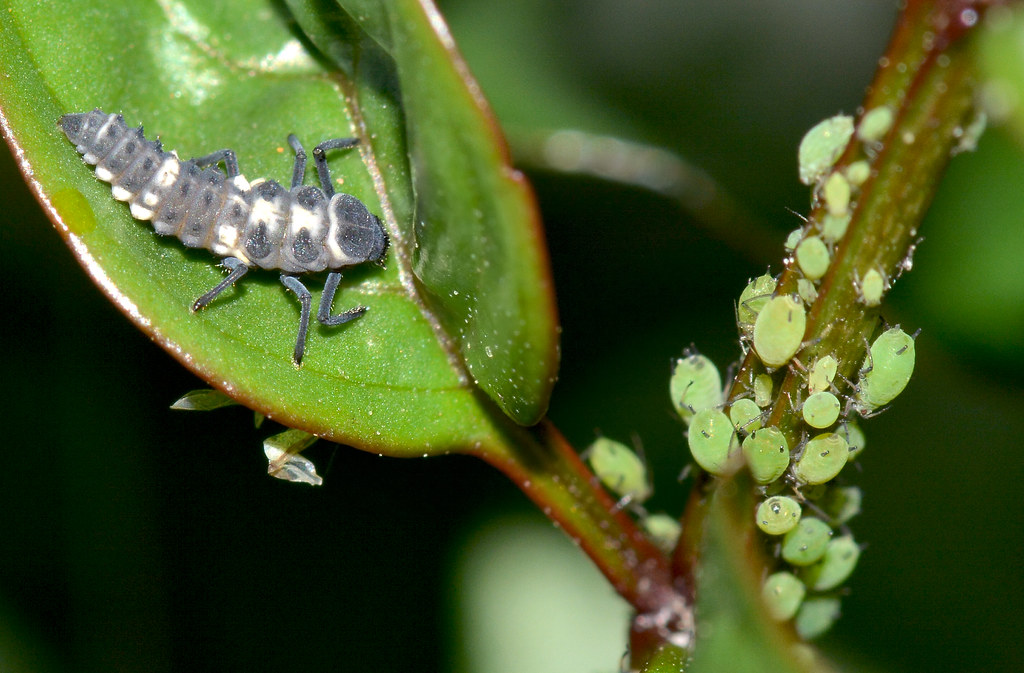
Aphids multiply quickly and can weaken your vegetable crops. Let's explore three natural ways to manage aphids without using synthetic chemical sprays. We will cover water sprays, organic insecticidal soaps, and attracting beneficial predators to build a balanced backyard environment.
Soil Chemistry, Minerals, and Cation Exchange Capacity
To establish a highly productive organic vegetable garden under the DHIDEE AGRO methodology, you must understand the physical and chemical properties of soil. Soil is not a static medium; it is a complex geological and biological matrix consisting of mineral particles, organic matter, water, and air. The mineral base of soil is divided into three distinct particle classes based on size: sand, silt, and clay. Sand particles are the largest, ranging from 0.05 to 2.0 millimeters in diameter. Sandy soils possess large pore spaces, which allow water and air to move rapidly through the profile. However, this quick movement means sandy soils have poor water retention and are highly susceptible to leaching, where water-soluble nutrients are washed down below the root zone. Clay particles are the smallest, measuring less than 0.002 millimeters. Clay soils have massive surface areas with tiny pore spaces. This allows clay to hold large volumes of water, but it makes clay highly prone to compaction. When clay soil compacts, it loses its pore space, cutting off the oxygen supply to plant roots and causing waterlogging, which leads to root rot.
The nutrient-holding capacity of your garden is determined by its Cation Exchange Capacity (CEC). Clay and fully decomposed organic matter (humus) have negatively charged surfaces. These surfaces attract positively charged minerals like potassium, magnesium, calcium, and ammonium. Plant roots exchange hydrogen ions for these essential minerals as they grow. To improve low-CEC soils, typical of sandy areas, growers must focus on building soil carbon. Regularly applying finished compost and green manure crops builds humus, increasing the number of nutrient-binding sites and ensuring your crops have access to minerals throughout the season. Higher soil carbon levels directly translate to a more stable, self-regulating biological system.
The acidity or alkalinity of your soil, measured as pH, determines the chemical form of soil nutrients. A neutral pH of 6.5 is ideal for most vegetable varieties. In highly acidic soils, key nutrients like phosphorus and calcium bind to iron, making them unavailable to plants. In alkaline soils, micronutrients like iron and zinc lock up. Using natural minerals like dolomite lime for acidic soils or elemental sulfur for alkaline soils helps adjust pH slowly and safely. Composting also buffers pH, protecting plant roots from drastic shifts and maintaining microbial activity.
The Rhizosphere: Mycorrhizal Fungi and Soil Microbiology
The space around plant roots, called the rhizosphere, is a busy center of biological activity. Roots secrete carbon compounds like sugars and proteins to feed beneficial microbes. These microbes gather near the roots, creating a biological shield against disease and helping dissolve locked minerals. This food web of bacteria, fungi, protozoa, and larger organisms maintains a healthy root environment and builds a natural ecosystem in the garden.
Mycorrhizal fungi and bacteria are essential for soil health. Fungal hyphae colonize plant roots and extend deep into the surrounding soil, drawing in water and nutrients like phosphorus from far away. This relationship increases the plant’s root capacity significantly. Fungi also produce glomalin, which holds soil particles together, improving aeration and drainage, allowing plant roots to breathe and thrive.
Biological nutrient cycling relies on soil predators consuming bacteria and fungi. Protozoa and nematodes digest these decomposers and release excess nitrogen as ammonium. This provides a steady supply of nutrients for your plants. Avoiding synthetic chemical fertilizers protects this biological cycle from salt damage and keeps the soil food web active, creating a healthy soil environment.
Composting Science: C:N Ratios and Thermophilic Aeration
High-quality compost is built on a balanced C:N ratio. Target roughly 30 parts carbon to 1 part nitrogen. Carbon materials supply structure and energy, while nitrogen-rich green waste provides the proteins that fuel microbial growth. Getting this balance right helps the pile decompose quickly without smelling, providing excellent organic matter for your soil.
Too much carbon slows decomposition because microbes lack the nitrogen to build their populations. Too much nitrogen causes the pile to smell like ammonia as excess gas escapes. The pile’s moisture should be kept around 50-60%, similar to a damp sponge. If it dries out, decomposition stops; if it gets too wet, it goes anaerobic, creating bad odors and harboring pathogens. Maintaining correct moisture is a key factor.
Thermophilic composting uses heat to kill pathogens and weed seeds. The pile should be at least 3 cubic feet to hold heat. As bacteria consume nutrients, the core temperature rises past 104°F, allowing thermophilic bacteria to take over and heat the pile to 135-160°F. Turn the pile regularly to move outer materials to the hot center and add oxygen, helping produce clean, rich compost for the garden.
Aerated Compost Tea: Formulation and Foliar Inoculation
Aerated Compost Tea is a liquid solution used to spray leaves or drench soil with beneficial microbes. By brewing compost in aerated water, we multiply the bacteria and fungi present. This liquid tea helps protect plants from diseases and improves soil microbiology. To brew it, you need a bucket, an air pump with bubbler stones, a mesh bag, and microbial foods, ensuring the environment remains oxygenated.
Feed your tea based on the crops you are growing. Bacterial teas, brewed with molasses, support leafy greens. Fungal teas, brewed with kelp and humic acid, support tomatoes and peppers. Use dechlorinated water and brew for 24-36 hours with continuous aeration to achieve the correct balance of biology.
Healthy compost tea has a pleasant, earthy scent. If it smells bad, it has gone anaerobic and should not be used on plants. Apply the brew within 4 hours of turning off the pump using a clean sprayer. Spray during the cool parts of the day to protect the beneficial microbes from sunlight and ensure leaf colonization.
The Mechanics of Companion Planting: Design and Benefits
Companion planting arranges crops to take advantage of natural relationships. Some plants provide physical support, others improve soil nutrients, and some repel pests. The traditional combination of corn, climbing beans, and squash demonstrates how plants can work together in a shared space, maximizing backyard vegetable yields.
Pest management is another key benefit of companion planting. Aromatic companion plants, such as basil, garlic, chives, mint, and marigolds, release volatile organic compounds (VOCs) that mask the scent of host plants, helping protect crops from pests. Marigolds also produce alpha-terthienyl from their roots, a compound that suppresses harmful root-knot nematodes in the soil. Planting companion flowers like alyssum, dill, fennel, and yarrow attracts beneficial insects (ladybugs, lacewings, hoverflies) that prey on pests like aphids and thrips.
Understanding allelopathy is also important. Some plants release biochemicals that inhibit the growth of nearby species. For example, fennel releases compounds that stunt many common vegetables and should be grown in its own area. Walnut trees produce juglone, a chemical that is toxic to tomatoes, peppers, and potatoes. By avoiding these negative pairings and focusing on positive companions, you can create a diverse, self-regulating garden ecosystem that produces healthy crops with minimal intervention.
Crop Rotation: Rotation Cycles, Families, and Disease Control
Crop rotation helps prevent disease buildup and nutrient depletion. By moving plant families to different beds each season, you break the lifecycles of soil pathogens and pests that target specific crops, while keeping the soil fertile and biologically active.
A standard 4-bed crop rotation system groups vegetables into four main categories:
1. **Legumes (Fabaceae):** Beans and peas, which work with rhizobia bacteria in the soil to fix atmospheric nitrogen, leaving the soil enriched.
2. **Heavy Feeders (Brassicaceae & Solanaceae):** Cabbages, broccoli, tomatoes, and peppers, which require large amounts of nitrogen and phosphorus.
3. **Guzzlers (Cucurbitaceae):** Squash, cucumbers, and melons, which thrive on organic matter but need less nitrogen than brassicas.
4. **Light Feeders (Apiaceae & Amaryllidaceae):** Carrots, parsnips, onions, and garlic, which grow well in soil with lower nutrient levels.
Following this rotation helps prevent nutrient depletion and maintains healthy soil naturally.
Divide your garden into four areas and move each crop group one step forward each year. Keep a detailed garden map to track these changes. Planting winter cover crops in empty beds helps protect the soil, adds organic matter, and supports soil biology during the cold months, preparing the soil for spring.
Integrated Pest Management: Physical Barriers and Organic Deterrents
IPM combines multiple strategies to manage pests safely. Physical barriers are the first defense. Row covers protect brassicas and salad greens from flying insects without using chemical sprays. Cardboard collars placed around seedling stems help prevent cutworm damage during the critical early transplant stage.
Stop slugs and snails using non-chemical barriers. Diatomaceous earth damages the skin of crawling insects, though it must be kept dry to work. Copper tape placed around container plants or raised beds creates a natural barrier that slugs avoid crossing, protecting tender growth.
Organic sprays like neem oil, insecticidal soap, and horticultural oils can be used to control heavy infestations. These work by suffocating soft pests or disrupting their growth. Apply them early or late in the day to avoid leaf burn and protect active pollinators, ensuring a balanced garden.
Seed Starting, Germination, and Seedling Management
Growing from seed offers access to unique plant varieties. Use a light, sterile seed-starting mix of peat and perlite to hold moisture and support young roots. Avoid garden soil for indoor starts, as it can harbor diseases like damping-off which can kill seedlings early.
Place seed trays on a heating mat to maintain soil temperatures between 70-80 degrees Fahrenheit for warm-season crops like tomatoes and peppers. Once seedlings emerge, move them to a bright location with 14 to 16 hours of light daily under T5 fluorescent or LED grow lights. Keep grow lights 2 inches above the seedlings to prevent them from becoming leggy. Keep the soil moist but not soggy, and feed seedlings weekly with a diluted organic kelp or fish emulsion fertilizer once they develop their first true leaves.
Before transplanting indoor-grown seedlings into the garden, they must undergo “hardening off.” This is a 7- to 10-day process where seedlings are gradually exposed to outdoor elements (wind, direct sunlight, temperature swings). Start by placing seedlings in a sheltered, shady spot for 2 hours a day, and slowly increase their time outdoors. This thickens the leaf cuticles and strengthens the stems, preventing transplant shock and ensuring healthy establishment.
Raised Bed Construction, Soil Engineering, and Containment
Raised beds offer excellent control over soil quality, drainage, and weed management. Build beds using untreated, rot-resistant wood like cedar or redwood. Keep beds 3 to 4 feet wide so you can reach the center easily, and make them at least 12 inches deep to allow healthy root growth for heavy yield crops.
To fill your raised beds organically, use the “Hugelkultur” or sheet-mulching method. Lay down untreated cardboard to smother weeds, followed by a layer of logs, branches, and twigs to retain moisture and build long-term organic matter. Add a layer of compostable materials like dried leaves, straw, and green waste, and top the bed with a 50/50 mix of organic topsoil and compost. This layered structure mimics natural forest floors, providing rich nutrients as it breaks down.
Fabric grow bags and containers are perfect for small spaces. Fill them with a lightweight potting mix containing peat, perlite, and compost. Because containers drain quickly, they lose nutrients over time; feed plants bi-weekly with liquid organic fertilizers to keep them healthy and productive.
Saving Seeds: Heirloom Varieties and Genetic Resilience
Heirloom vegetables are open-pollinated plants selected over generations for taste and performance. Saving seeds from these varieties preserves their genetic traits. Hybrid seeds (F1) are cross-pollinated for specific commercial qualities, but saving their seed is not recommended as the next generation will be unpredictable, reverting to parent traits.
Heirlooms offer genetic resilience against disease outbreaks that can target single-crop varieties. Unlike hybrids, heirlooms breed true, allowing you to build a seed bank adapted to your local climate over time while preserving traditional food varieties, which supports overall diversity.
Harvest dry seeds directly from dried pods on the plant. For wet seeds like tomatoes, scoop them out and let them ferment in water for 3-5 days to dissolve the gel coating and eliminate pathogens. Dry them on paper or coffee filters, and store them in airtight containers in a cool spot to keep them viable.
Aphid FAQ
What insects eat aphids?
Ladybugs, lacewings, and hoverfly larvae are natural predators that feed on aphids and control populations.
How do I make insecticidal soap?
Mix 1 tablespoon of liquid castile soap in 1 gallon of water. Spray directly on active aphid populations.
Final Recommendations for Success
Monitoring your plants and using natural controls like beneficial insects keeps aphid populations under control safely. Plant nectar-rich flowers nearby to attract ladybugs and hoverflies. Maintaining healthy soil ensures your plants are strong enough to resist pest damage.
Backyard Planting Cheat Sheet
To get the most out of your organic gardening space, keeping a detailed log is highly recommended. Record planting dates, weather observations, first harvests, and any pest or disease issues. This historical data helps you plan crop rotations and manage your soil amendments next year.
Make sure to monitor your compost pile, checking moisture levels and turning it regularly to distribute heat. Turn the pile to add oxygen, check that the core temperature rises enough to destroy weed seeds, and apply compost to your beds before each planting season to maintain soil health.
Embrace biodiversity by planting companion flowers and herbs, which help draw in pollinators and manage pests. This reduces pest pressure, supports healthy pollination, and builds a resilient backyard ecosystem that produces fresh food for your table.
Weekly Cultivation Tasks
- Soil: Covering your garden beds with organic mulches is a critical soil-building task. Mulch keeps the root zone damp and feeds the soil organisms as it decomposes. Additionally, a thick mulch layer acts as a barrier that prevents weed seeds from germinating and competing with your vegetable crops for water and nutrients.
- Watering: Water your beds deeply twice a week rather than light daily sprays. Deep watering encourages roots to grow down, making crops more drought-tolerant. Shorter, daily watering keeps the moisture near the surface, which causes shallow root systems that dry out quickly during summer heatwaves.
- Pest Patrol: Inspect your crops daily to catch early signs of pest pressure. Hand-picking caterpillars and washing off aphids with a hose protects your yields naturally. If an organic spray like neem oil is required, apply it late in the day to avoid leaf scorch and prevent harming active pollinators.
- Fertility: Apply a light top-dressing of finished organic compost to your beds between crop rotations to keep soil nutrients balanced and feed the microbiology. This addition keeps your soil food web active and ensures the next crop has immediate access to organic nitrogen and minerals.
- Harvesting: Collect ripe crops regularly to encourage the plants to continue producing new flowers and fruits throughout the active growing season. Leaving old fruit stunts new development.
- Pruning: Remove dead or diseased foliage from all vegetable crops immediately to prevent pathogens from spreading and support healthy new growth.
To optimize your organic garden’s efficiency, you should also consider the impact of local microclimates. Microclimates are small-scale weather patterns that differ from the surrounding area due to factors like shade, wind exposure, moisture retention, and heat-absorbing structures like brick walls or concrete patios. For instance, placing a raised bed next to a south-facing brick wall can create a warm microclimate that lets you plant warm-season crops like tomatoes and peppers earlier in the spring. Conversely, low-lying areas in your yard may accumulate cold air, creating frost pockets that delay spring planting. Observing these patterns allows you to place crops strategically.